The What, Why, and How of Compostable Food Packaging Explained
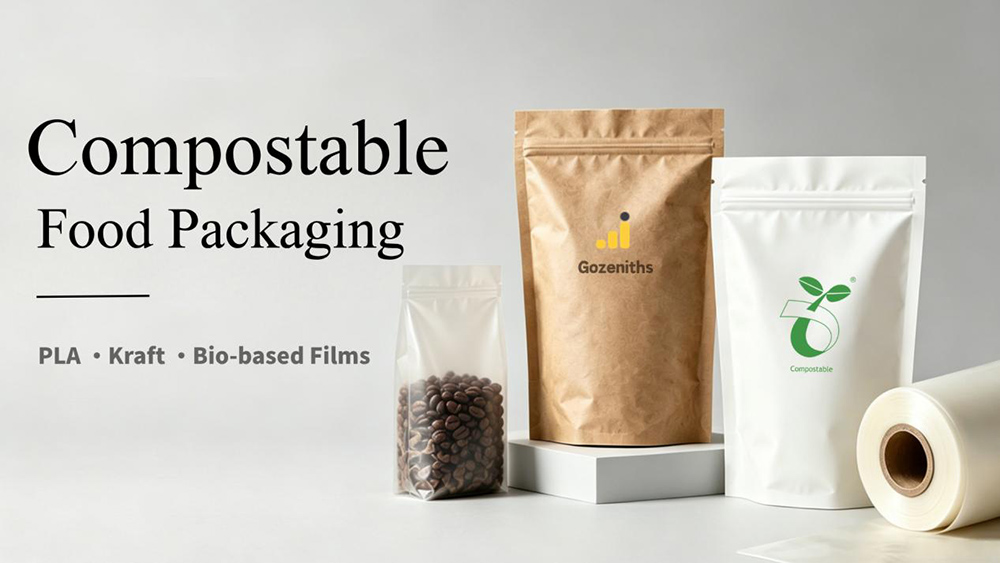
The shift toward sustainable dining has moved past a simple design choice. Customers now actively look for brands that care about their environmental footprint, pushing food businesses to rethink how they package meals.
Among the various eco-friendly alternatives available today, compostable packaging has emerged as a frontrunner. However, transitioning to these materials requires a clear understanding of what they are, why they matter, and how to implement them effectively.
What Is Compostable Packaging?
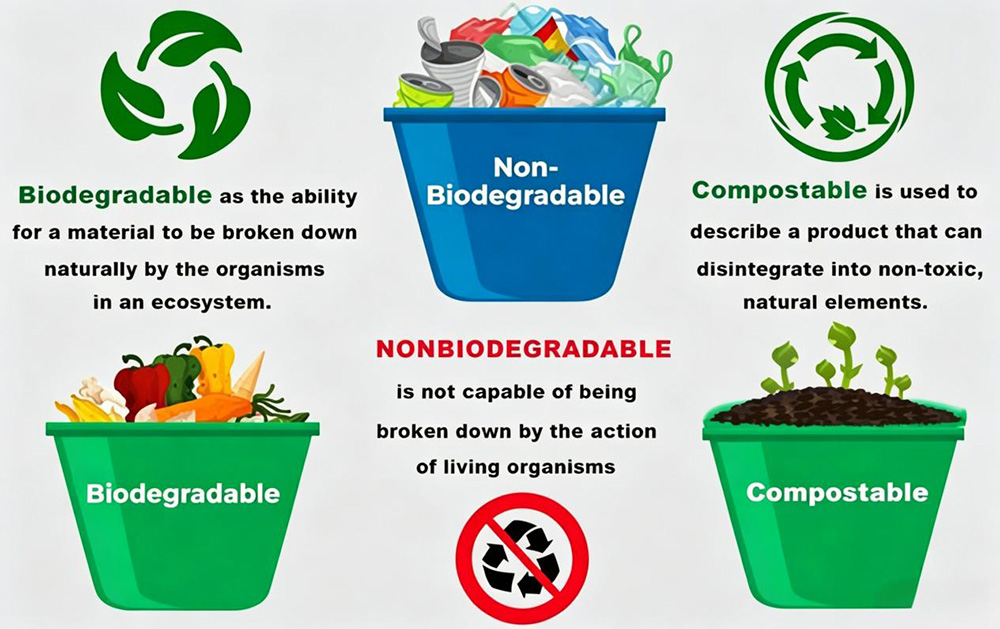
Compostable packaging refers to materials that can break down entirely into non-toxic, nutrient-rich organic matter under specific environmental conditions, leaving no harmful chemical residues behind.
A common point of confusion is the difference between “biodegradable” and “compostable” materials. While everything that is compostable is biodegradable, the reverse is not true.
Biodegradable items simply break down into smaller pieces over an indefinite timeframe, sometimes leaving microplastics in the soil. Compostable items, by contrast, must break down within a specific period and return valuable nutrients back to the earth.
What Is It Made Of?
Instead of fossil fuels, compostable food packaging relies on renewable, plant-based inputs. Common raw materials include:
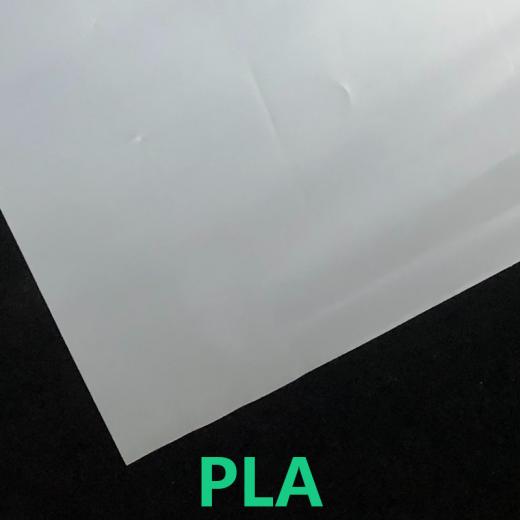
- PLA (Polylactic Acid): A clear, plastic-like material made from fermented plant starch, usually corn or sugarcane, often used for cold drink cups and clear salad bowls.
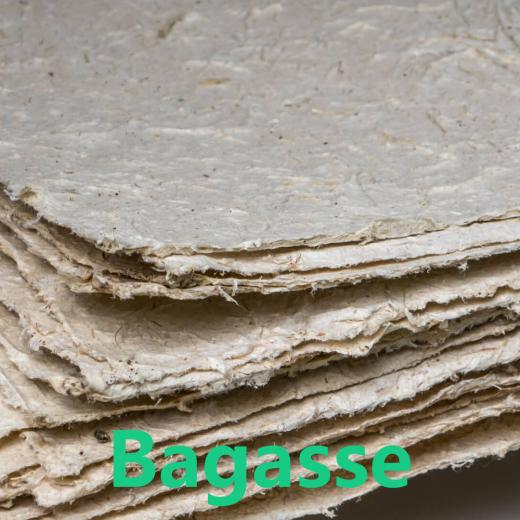
- Bagasse: The fibrous byproduct left behind after extracting juice from sugarcane, which is molded into sturdy plates, bowls, and takeout boxes.
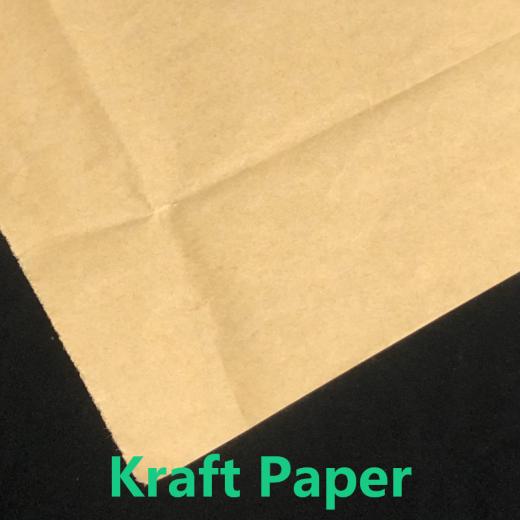
- Kraft Paper and Cardboard: Unbleached, plant-derived paper elements, frequently lined with a PLA barrier to resist water and grease.
Why Make the Switch for Your Food Business?
Adopting these plant-based materials offers tangible advantages for expanding food brands, bridging the gap between operational efficiency and corporate responsibility.
- Meeting Consumer Demand: Modern diners are highly conscious of waste. Offering meals in circular packaging strengthens brand loyalty and satisfies the growing demographic of eco-conscious consumers.
- Simplifying Waste Disposal: Food contamination ruins traditional plastic recycling. If a plastic container has grease or sauce left on it, it usually ends up in a landfill. Compostable packaging eliminates this issue because both the container and the leftover food scraps can be discarded into the same organic waste bin together.
- Reducing Carbon Footprints: Manufacturing plant-based packaging typically consumes less energy and generates fewer greenhouse gas emissions compared to producing conventional petroleum-based plastics.
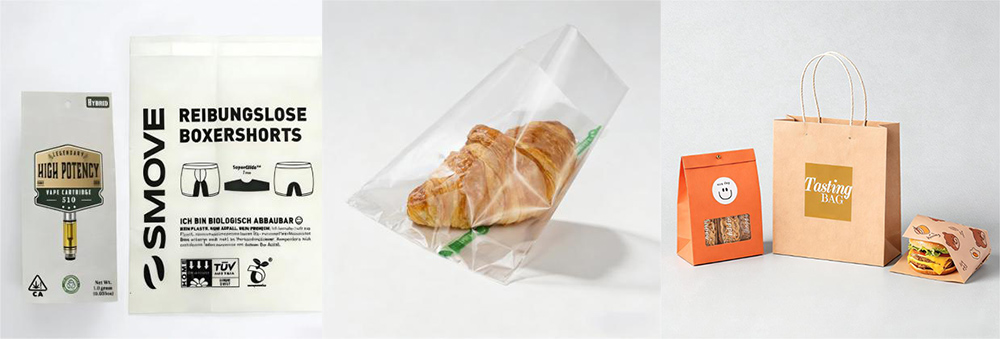
How to Make Compostable Packaging Work
The transition requires more than just swapping out one supplier for another. Navigating the logistics ensures your investment actually delivers on its environmental promise.
Understanding the Composting Reality
This is where the distinction between home composting and industrial processing becomes practical. Most robust food containers, especially those made of PLA, require the high, sustained heat of an industrial composting facility to break down properly. They will not decompose efficiently in a backyard garden setup.
Because of this, food businesses must look at local infrastructure. If your local waste management system does not collect organic waste or lack access to industrial composting facilities, these containers might still end up in landfills, where the lack of oxygen prevents them from degrading as intended.
Step-by-Step Implementation
- Assess Your Menu: Match the packaging material to your food types. Hot, steamy soups require high-heat resistant materials like heavy-duty bagasse or specific bio-liners, while cold sandwiches fare perfectly well in standard kraft paper or PLA wraps.
- Verify Certifications: Avoid vague marketing terms. Look for internationally recognized seals of approval, such as BPI (Biodegradable Products Institute) or EN 13432 certifications, which prove the material has been rigorously tested to break down safely.
- Educate Your Diners: Clear labeling keeps your waste stream clean. Use your storefront signage, social media, or custom stamps on the packaging itself to instruct customers exactly how to dispose of the containers.
Conclusion
Embracing compostable packaging is a practical step toward alignment with modern consumer values and a healthier planet. By understanding the science behind plant-based materials like PLA and bagasse, and recognizing the critical role of commercial composting infrastructure, food businesses can successfully implement alternatives that perform beautifully.
Making the switch is not just about replacing containers; it is an ongoing narrative of corporate responsibility, strategic adaptation, and authentic community engagement that positions your food brand for long-term growth in a sustainable marketplace.
Explore our latest compostable packaging collection right here on our site:https://www.gozenpackaging.com/. If you are ready to make the sustainable switch or want to find the perfect fit for your menu, we are always here to help.