Packaging of Coffee Beans
The global surge in specialty coffee culture has transformed the humble coffee bean into a premium commodity that demands perfection. However, the true test of quality lies in the ‘last mile’—the packaging.
Packaging of coffee beans is your brand’s billboard, your flavor bodyguard, and a major factor in your profit margins. Whether you’re a boutique roaster just starting out or a growing brand looking to automate, here is everything you need to know about packing your beans right.
A Brief History of Coffee Packaging
The way we pack coffee has come a long way from the days of stale beans in glass jars. Here is a quick look at how we got to the high-tech pouches we use today:
- The Early Days (Burlap & Paper): Coffee was originally stored in simple jute sacks or beeswax-treated bags, focusing purely on basic transport.
- The Tin Can Era: During the 19th and early 20th centuries, vacuum-sealed tin cans became the standard. They were great for mass production, but heavy and expensive to ship.
- The Flexible Foil Revolution: In the mid-1900s, flexible packaging took over. Multi-layered bags combining plastic and aluminum foil offered a lightweight way to completely block out UV light and oxygen.
- The Degassing Valve: The biggest leap forward happened when the one-way degassing valve was invented. It allowed freshly roasted beans to release CO2 without letting oxygen in—meaning roasters no longer had to let beans sit out and go stale before bagging them.
- The Sustainable Future: Today’s packaging is all about the planet. The industry is moving toward low-carbon footprints, featuring compostable materials and reusable packaging designs.
Matching Packaging to Coffee Type
Different coffee products require different packaging solutions to maintain quality and meet consumer expectations.
Whole Bean Coffee
Whole beans require packaging that accommodates post-roast degassing while preventing oxidation. Standard construction includes:
- Multi-layer composite films (e.g., PET/AL/PE) for barrier protection
- One-way degassing valves to release CO₂ without admitting oxygen
- Resealable zippers or tin-ties are essential to preserve freshness after the initial seal is broken.
- For premium brands, Flat Bottom or Stand-up Pouches are often preferred for their superior shelf presence.
Ground Coffee
Due to increased surface area, ground coffee is more susceptible to staling. Packaging solutions typically prioritize maximum oxygen exclusion:
- Vacuum packaging using high-barrier aluminum foil bags
- May also include one-way valves depending on distribution timeline
- Often uses the same multi-layer structures as whole bean bags, with an emphasis on airtight seals
Instant Coffee
Instant coffee is moisture-sensitive but does not require degassing. Packaging focuses on portion control and portability:
- Sachets or stick packs for single servings
- Lightweight materials with adequate moisture barriers
- Designed for easy opening and on-the-go consumption
- For high-volume retail, automated sachet packaging machines ensure each portion is consistent, portable, and easy for the consumer to open on the go.
Picking the Right Coffee Bag Style
Ready to find the perfect bag for your coffee? The style you choose depends on your brand vibe, your budget, and how you want it to sit on a retail shelf. Here are the heavy hitters:
Flat Bottom Bags
Also known as box bottom, square bottom, or 8-seal bags, these bags are the most popular packaging style for specialty coffee, especially in Europe and the U.S. They feature four hot-pressed edges that create a sturdy, box-like shape, allowing them to stand perfectly upright on retail shelves.
The real advantage? Five printing panels—front, back, both sides, and the bottom—offer ample space for branding, product stories, and design.
Add a one-way valve and a resealable zipper (or a classic tin tie), and you have the ultimate package for high-end retail coffee.
Side Gusset Bags
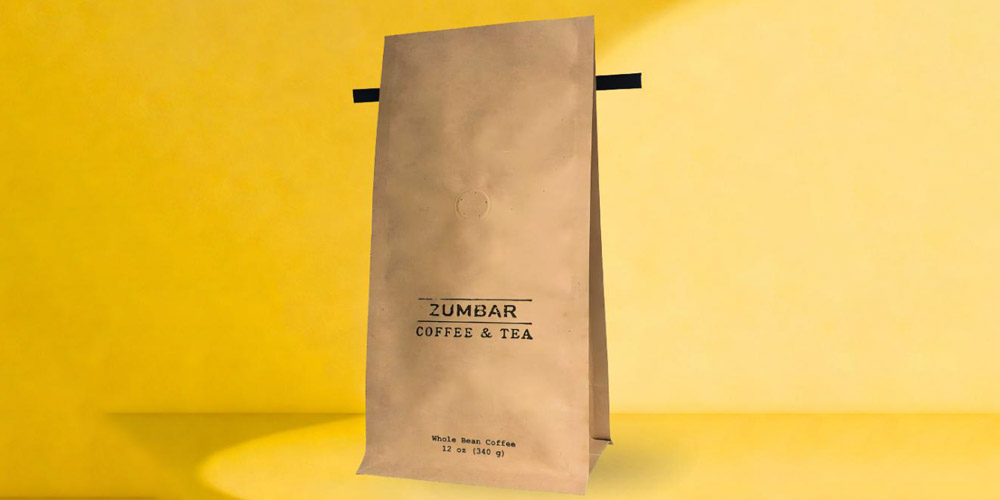
Side gusset bags are a traditional and cost-effective choice for coffee packaging. Formed on vertical form-fill-seal machines using roll stock film, these bags feature expandable sides that create a classic brick shape when folded. This shape stands up well on store shelves. The curved sides also let the bag hold more coffee.
These bags can be fitted with Tin-Tie closures and, with optional four-side hot pressing, achieve a more rigid, three-dimensional form. Although their structure slightly makes filling and stacking less efficient, they are a solid choice for brands that value tradition and cost savings over high-speed production.
Stand-Up Pouches
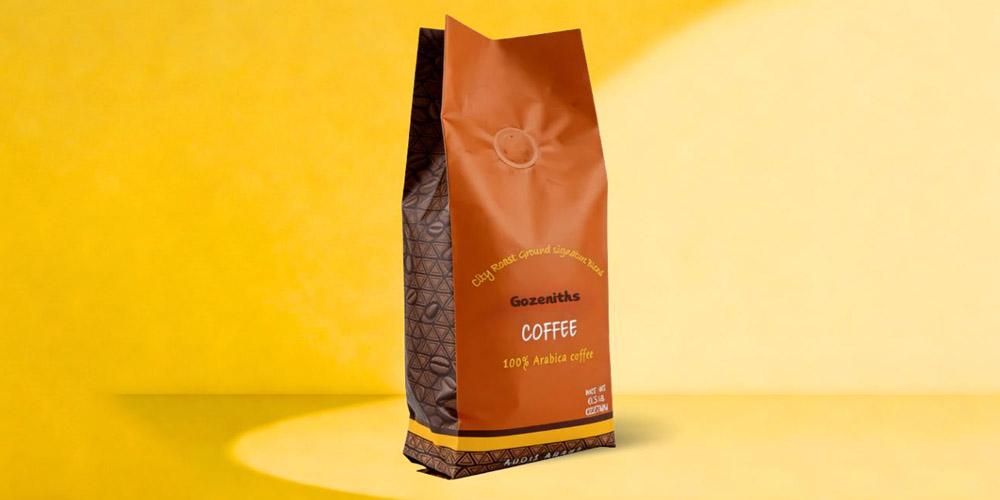
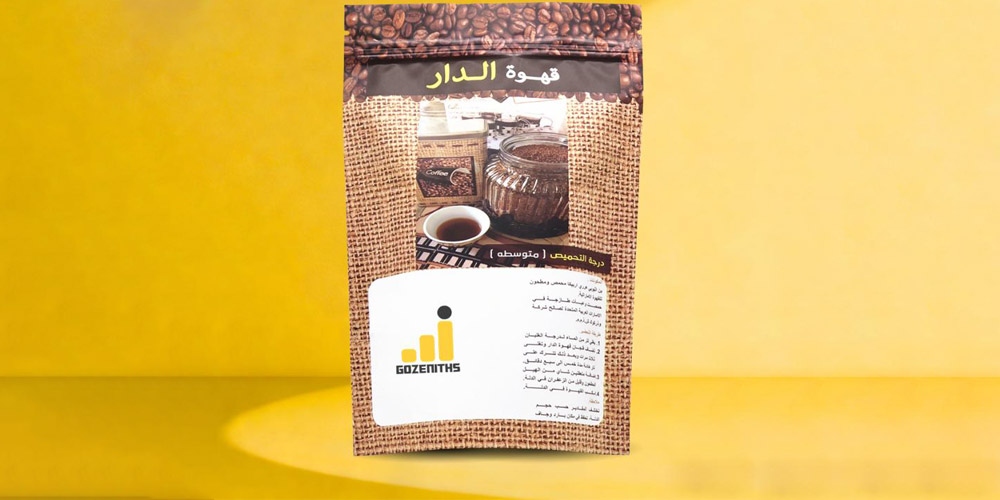
Stand-up pouches (doypacks) are an affordable and highly flexible packaging option for the specialty coffee industry. They stand upright on shelves, offer two panels for branding, and can be fitted with resealable zippers, one-way valves, nitrogen flushing, or vacuum sealing.
As a more cost-effective and portable alternative to rigid packaging, stand-up pouches are an ideal choice for direct-to-consumer (D2C) brands and subscription services looking to deliver a user-friendly experience.
Quad Seal Bags
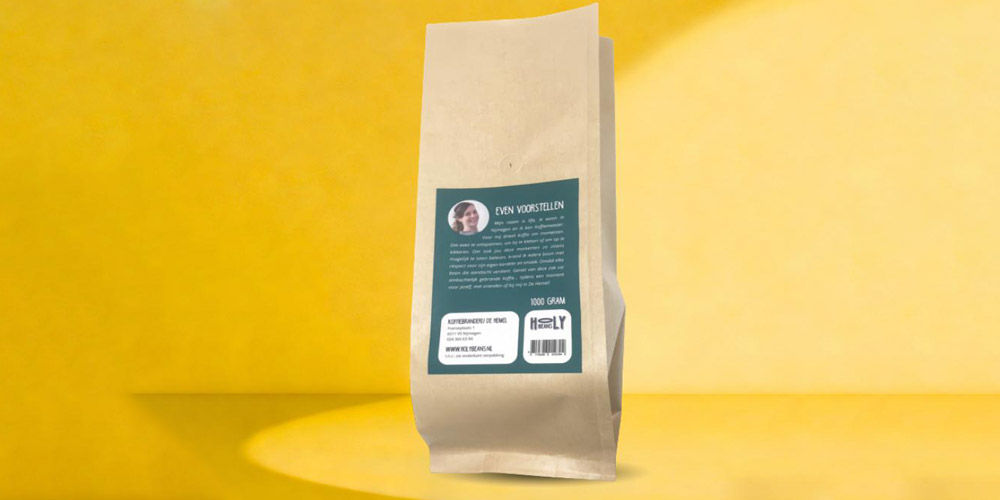
Similar to side gusset bags, quad seal bags feature seals on all four vertical corners, giving them a sharp, box-like shape. This design allows the bags to stand steadily on the shelf for a clean, professional presentation. Typically sealed with a tin tie or tape, they offer high strength and load capacity, making them ideal for holding heavier products like 1lb or 1kg coffee bags without losing their shape.
Stick Packs
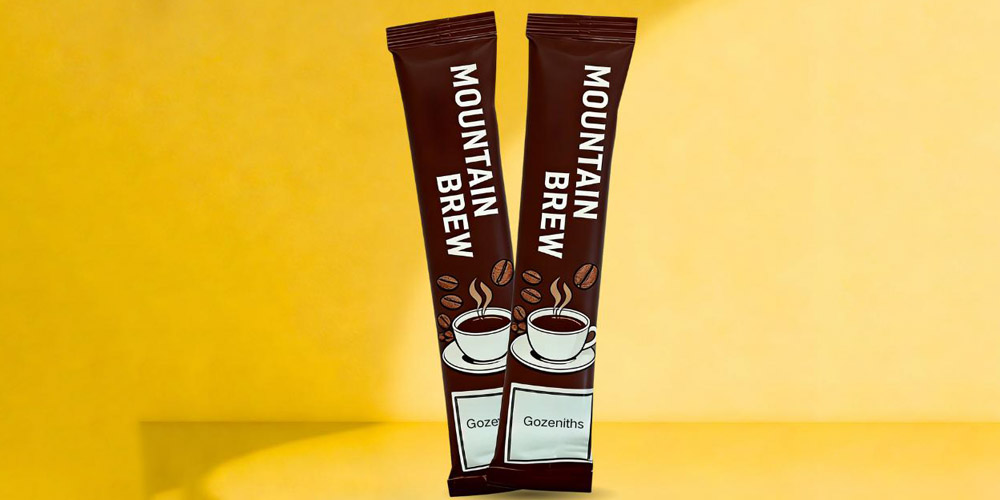
Stick packs are slim, tube-shaped sachets designed for single-serving instant coffee powder. They are easy to carry and perfect for on-the-go use. Because they use less packaging film, they are more cost-effective and eco-friendly.
These packs are ideal for high-speed automated production, ensuring fast output with minimal waste while providing a strong moisture barrier to keep the coffee fresh.
Sachet
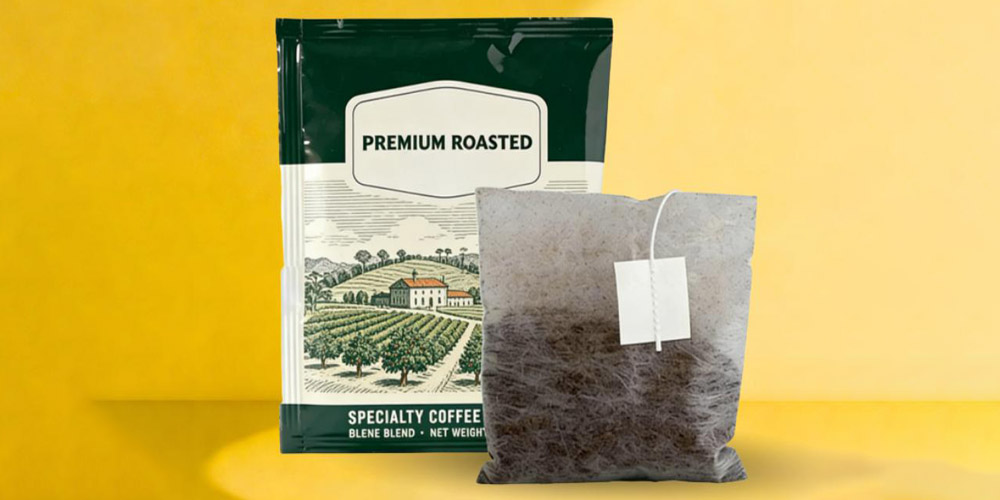
Sachets are flat, individually sealed packages used as outer covers for drip and steeped coffee. With three or four sealed edges, they are designed to be portable and easy to open. Many sachets are nitrogen-flushed to preserve the coffee’s taste, offering a convenient way to enjoy high-quality coffee anywhere, anytime.
Vacuum Brick Bag
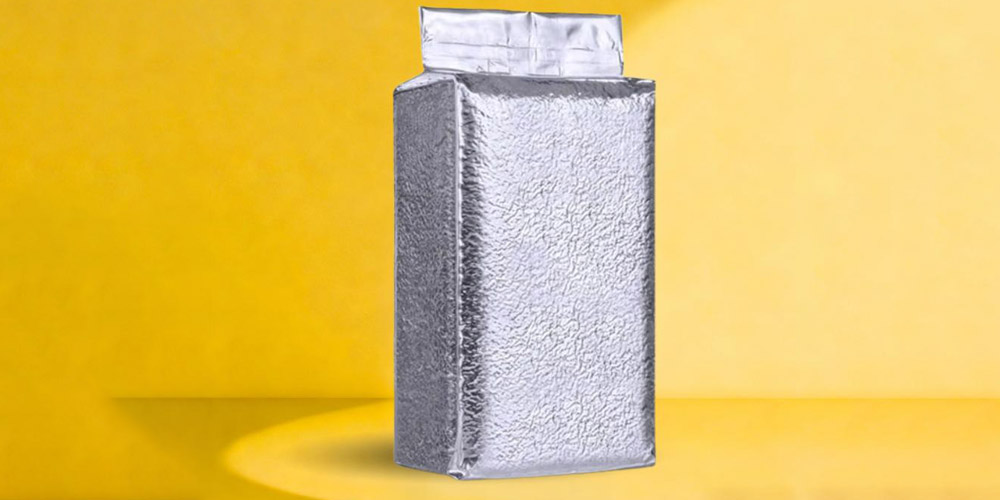
Vacuum brick bags are the ideal choice for coffee that requires a high-degree vacuum seal. Made from high-barrier aluminum foil, these bags undergo a specialized pressing and vacuuming process. This creates a firm, brick-like form that is easy to stack and ensures your coffee stays fresh for a much longer time.
Paper Boxes
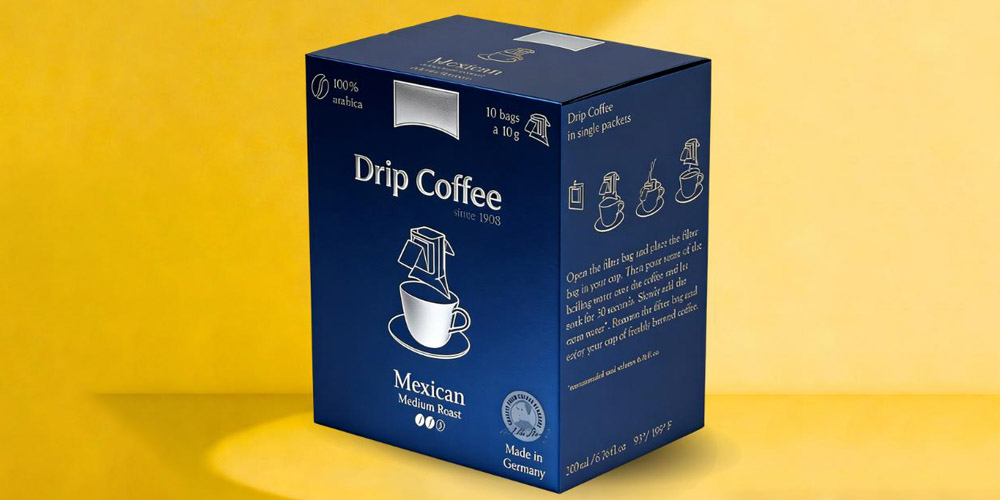
Boxes serve as a versatile and eco-friendly outer packaging solution for drip coffee bags, ground coffee, and capsules. Constructed from rigid or folded cardboard, these boxes encase your coffee bags in a sturdy, gift-ready format. They often paired with inner foil pouches or nitrogen-sealed bags to enhance freshness.
PET Jars/Metal Cans
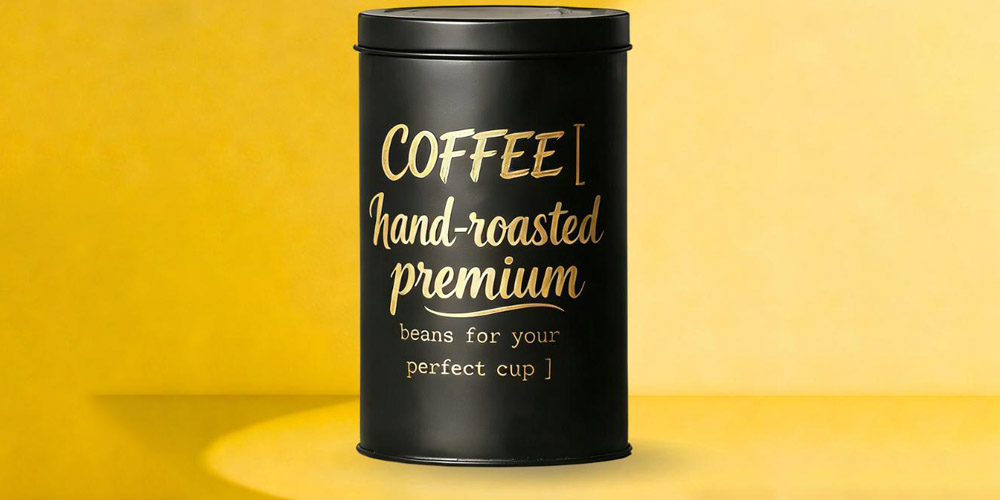
PET jars and metal cans are strong, rigid containers that give your coffee a premium look. PET jars are clear and lightweight. Metal cans provide a premium feel and complete light protection. Both are easy to reseal with screw-on or snap-on lids.
Even though they have higher costs and require more storage space than bags, their durability and shelf impact make them a worthwhile investment for high-end coffee products.
The Freshness Factor: Materials & Tech
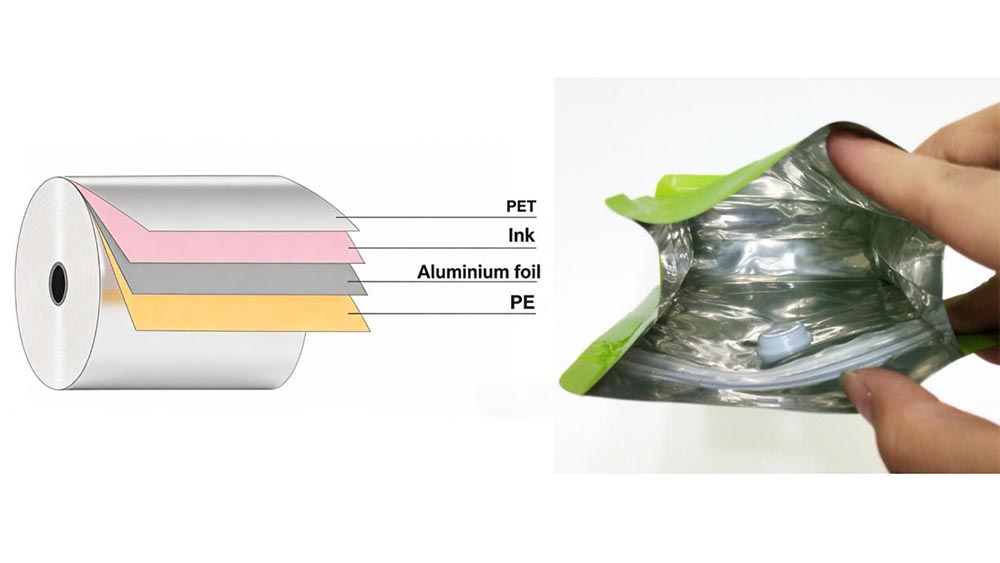
To keep coffee beans and powder safe from moisture, light, and oxidation, most coffee packaging uses a multi-layer composite structure. These bags are built by laminating three or more layers together-typically an outer film (e.g., PET or kraft paper), a central barrier (e.g., pure aluminum foil/aluminum coated film), and an inner sealant layer (e.g., PE). The classic example of this is the PET/AL/PE structure, ensuring long-term freshness for the coffee inside.
Laminated Packaging Materials
Laminated packaging materials are composite structures made by combining two or more materials to achieve specific functional requirements. To balance appearance, protection, and sealing performance, most high-quality coffee bags use a standard three-layer structure:
| Layer | Purpose & Characteristics | Common Materials |
| 1. Base Layer (Outer) | Provides a printable surface for branding, visual appeal, and overall mechanical strength. | BOPP (Biaxially Oriented Polypropylene)
BOPET (Biaxially Oriented Polyester) BOPA (Biaxially Oriented Polyamide) |
| 2. Functional Layer (Middle) | Serves as a strict barrier against coffee’s biggest enemies: moisture, oxygen, and light. | VMPET (Vacuum Metallized PET)
AL (Pure Aluminum Foil) |
| 3. Sealant Layer (Inner) | The innermost layer that directly contacts the coffee. It requires food-grade safety, chemical resistance, and excellent heat sealability. | LDPE (Low-Density Polyethylene)
LLDPE (Linear Low-Density Polyethylene) |
Functional Features
To preserve freshness and flavor, coffee packaging depends on functional features that safeguard bean quality, enhance usability, and promote sustainability.
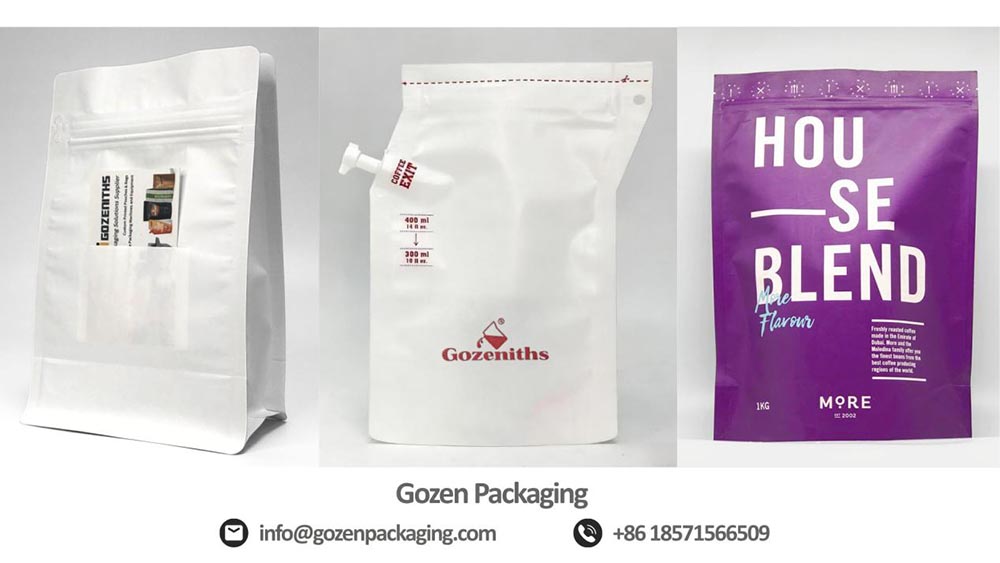
- Degassing Valves: Freshly roasted beans “burp” a lot of carbon dioxide. A one-way valve lets that gas escape so your bag doesn’t inflate and pop, while keeping stale oxygen out.
- Resealable Closures: To enhance user convenience and product longevity, resealable closures such as zippers or tin ties are widely used.
- Nitrogen Flushing: Before the bag is sealed, a machine flushes it with nitrogen gas to push out the oxygen. This drastically extends shelf life.
- Light-proof Sealing: The multi-layer composite film, with its aluminum foil lining, provides light-proof sealed packaging that keeps air and moisture out.
- Vacuum Sealing: The use of vacuum packaging in specialty coffee directly eliminates air and moisture for enhanced protection.
- Card Slit: A card slit is a precise, integrated slot designed to securely hold origin cards, flavor profiles, or promotional inserts.
- Inserting Desiccants: Desiccant inserts absorb internal moisture, ensuring the coffee remains dry and flavorful.
Sustainable Solutions in Coffee Packaging
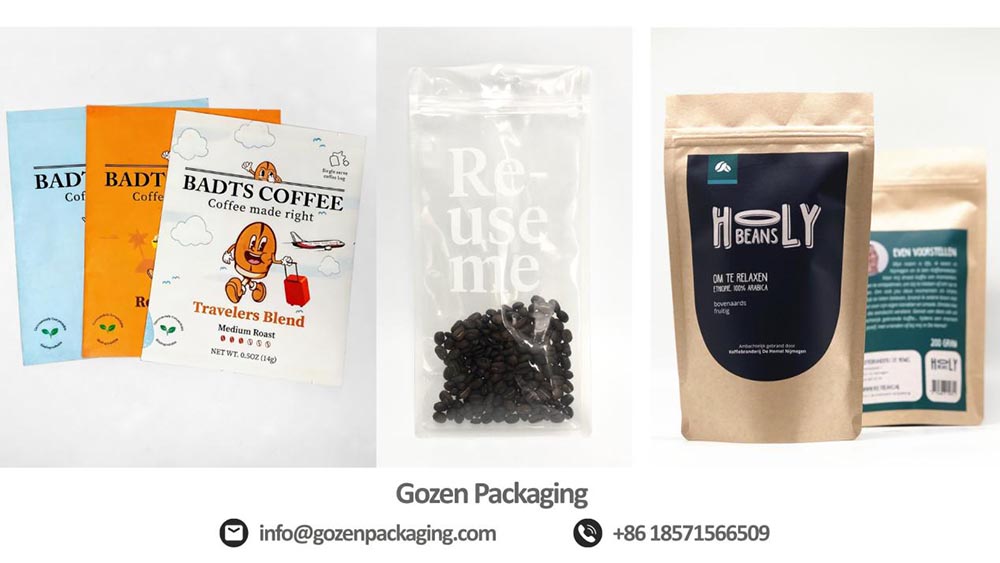
For brands and customers care as much about the planet as they do about their coffee, we offer innovative eco-friendly upgrades.
Biodegradable Materials
We offer plant-based PLA, corn starch, and paper formats (single-layer or laminate) that break down naturally in industrial composting facilities. These are designed to break down naturally and reduce plastic waste.
Recyclable Materials
To support the circular economy, our eco-friendly bags can be made from Post-Consumer Recycled (PCR) content or recyclable plastics like #2 (HDPE), #4 (LDPE), #5 (PP), and #7.
We also specialize in PE//PE laminate bags. These are 100% recyclable and come in regular, GRS, or high-barrier versions.
Green Printing & Tagging
We use eco-friendly inks, such as soy-based or water-based inks, and we also adopt advanced electronic tags to replace wasteful manual paper labels.
Innovative Trends in Coffee Packaging
Sustainable Materials
Brands are shifting toward carbon reduction highlights mono-material structures, recyclable fibers, and innovative paper-based packaging that eliminate waste. Breakthroughs like newly developed paper-based coffee cans are setting the new standard for zero-waste, premium packaging.
Experiential & Digital Packaging
Modern packaging bridges the physical and digital world with QR codes and NFC technology. A quick scan on a coffee bag lets consumers explore origin stories, watch brewing tutorials, or access exclusive multimedia content—making the brand more engaging and interactive.
Minimalism vs. Maximalism
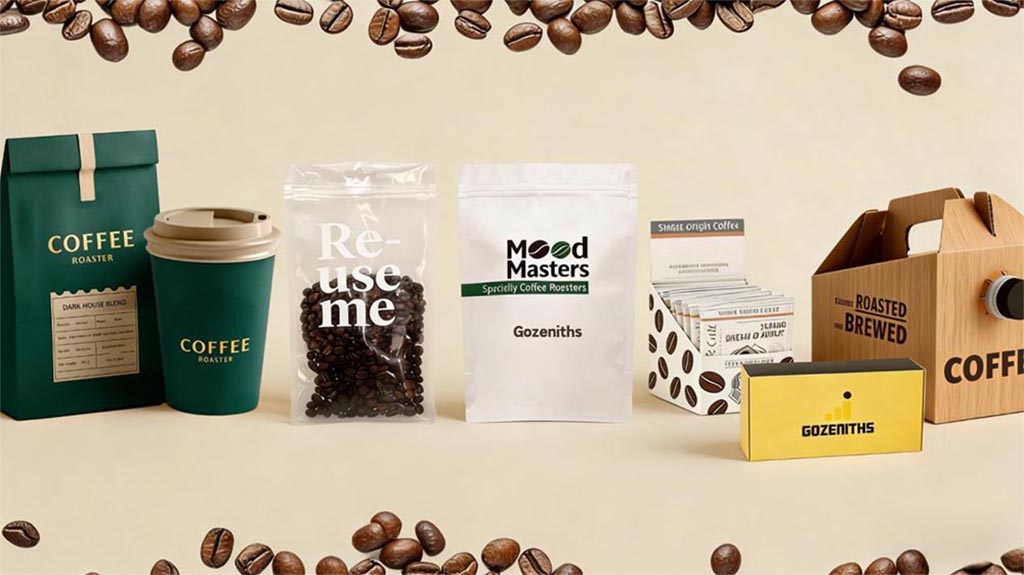
The market is seeing a striking contrast in visual styles. Some brands go for ultra-clean, minimalist designs that feel premium and sophisticated. Others grab attention with vibrant illustrations, unique 3D pouch shapes, and collectible insert cards that add a playful, eye-catching touch.
Total Transparency
Today’s coffee drinkers want to know exactly what is in their cup, driving a trend toward radical transparency. Packaging now proudly displays origin details, flavor notes, and roast levels. Some even include detachable info cards that tell the story behind the beans, helping consumers connect more deeply with their coffee.
Convenience-Oriented Design
Designed for fast-paced modern lifestyles, new packaging focuses on ease of use. Features like easy-tear notches, resealable closures, and portable formats are combined with eco-friendly recyclability to meet everyday consumer needs.
Which Machine Is Right for Your Coffee?
VFFS Machine
The Vertical Form Fill Seal (VFFS) machine creates bags directly from a roll of film, offering a highly flexible and cost-effective production solution. It’s ideal for producing pillow bags, gusseted bags, and flat-bottom bags for both whole bean and ground coffee. You can easily add options for nitrogen flushing or one-way valves.
Premade Pouch Machine
This machine is designed for premium pre-made bags, including stand-up and flat-bottom pouches with zippers. It automatically manages bag feeding, opening, filling, and sealing to deliver a professional, retail-ready finish.
This equipment works perfectly with combination scales and auger filling systems, allowing you to package both whole beans and ground coffee automatically. It provides a versatile solution that adapts to your specific product needs while maintaining high output speeds.
Sachet Packaging Machine
This is a compact VFFS machine designed specifically for small, single-serving portions. It is suitable for packaging small sachet bag of instant coffee powder, such as three-side seal, four-side seal, and stick packs, and can include features like tear notches, pour spouts, various seal styles, and hang holes.
Planning Your Coffee Packaging? We Can Help
From custom film design and manufacturing to high-performance packaging machinery, we provide a complete turnkey solution that covers everything.
Whether you are packaging whole beans, ground coffee, or instant powder, we help you design and implement the perfect format for your specific product. Our expertise covers a vast range of coffee varieties, ensuring optimal preservation and a professional presentation that resonates with your target audience.
Let our team help you build the perfect packaging and production strategy. Contact us now to discuss your requirements and start driving efficiency and long-term growth.