The Ultimate Guide to Flexible Packaging Pouches
Flexible packaging continues to expand across food manufacturing, consumer goods, pharmaceuticals, and industrial products. Among flexible formats, pillow pouch packaging appears frequently in large-scale production because the structure supports automated packaging lines and efficient film usage.
Manufacturers select pillow pouches when they require packaging that runs reliably on form-fill-seal equipment, maintains consistent sealing performance, and allows large product volumes to move through distribution networks.
This guide explains pillow pouch packaging from a technical perspective. It examines structural design, film materials, manufacturing methods, industrial applications, and operational advantages in modern supply chains.
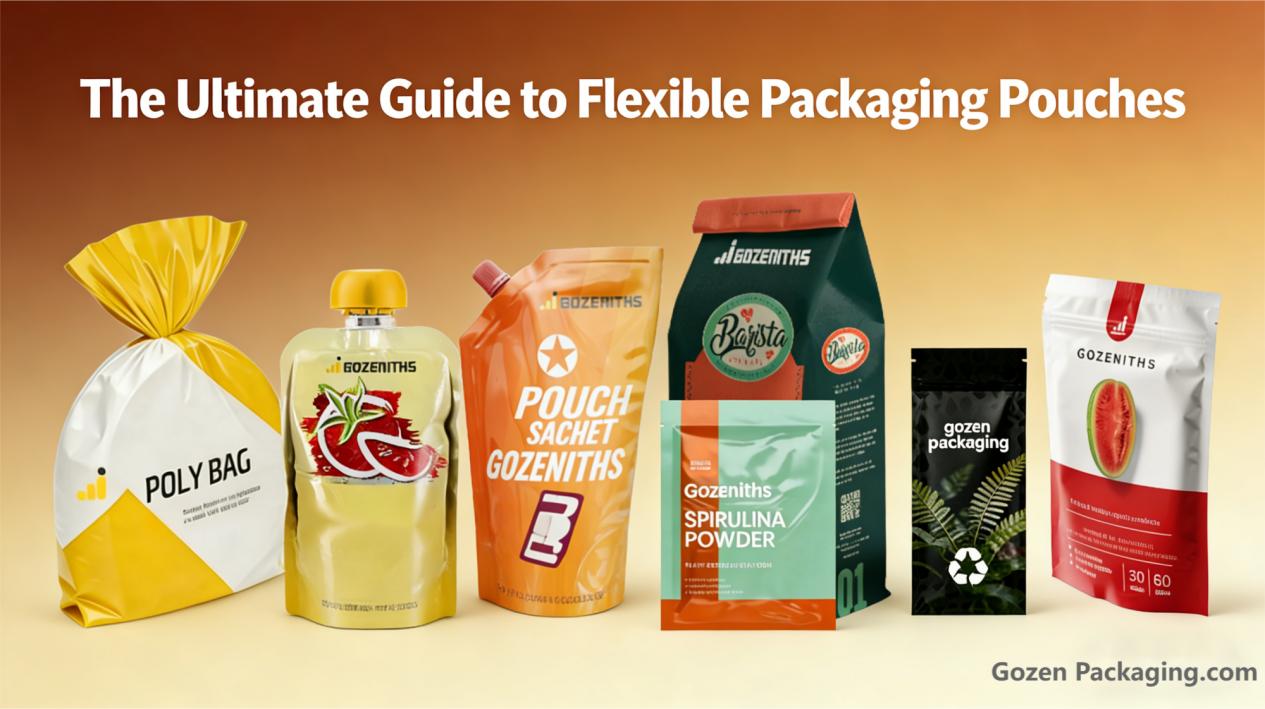
Pillow Pouch Packaging Explained
Typical film structures include laminates made from PET, BOPP, PE, nylon, or aluminum foil. These materials combine mechanical strength with moisture resistance and oxygen barrier protection.
Compared with stand-up pouches, pillow pouches require less film material and operate faster on automated packaging equipment.
What Is Pillow Pouch Packaging?
A pillow pouch is a flexible package formed from a continuous roll of laminated film. The packaging machine wraps the film around the product and creates a longitudinal seal along the back of the pouch. Two cross seals close the top and bottom.
When filled, the pouch expands slightly and forms a pillow-like shape.
This packaging structure appears frequently in high-volume manufacturing because it supports continuous automated production.
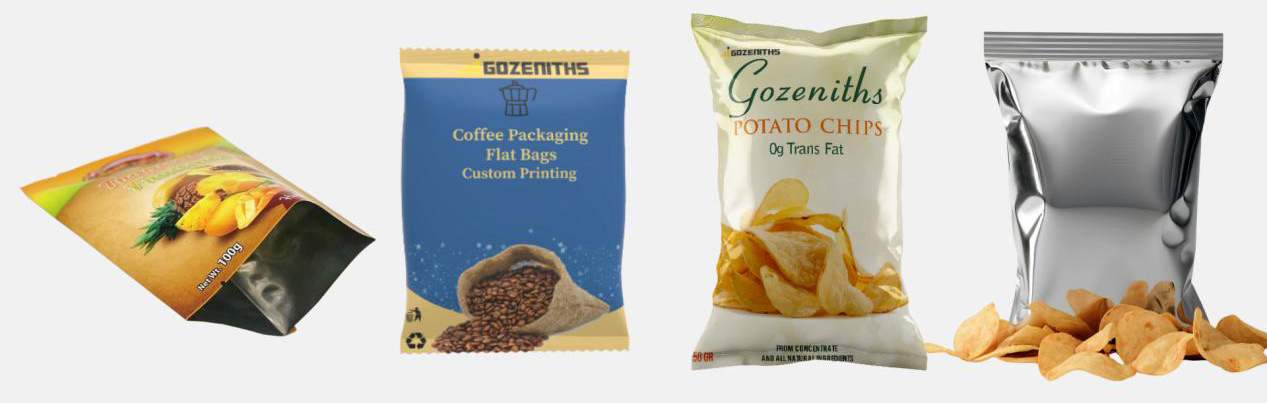
Typical products packaged in pillow pouches include:
- potato chips
- candy and chocolate
- coffee powder
- instant noodles
- powdered seasoning
- biscuits
- cosmetic sachets
- medical wipes
- small hardware components
Because the packaging material arrives as film rolls rather than pre-formed containers, factories can store large quantities of packaging material in limited warehouse space.
How Pillow Pouches Are Manufactured
Automated packaging machines produce pillow pouches using a continuous forming and sealing process.
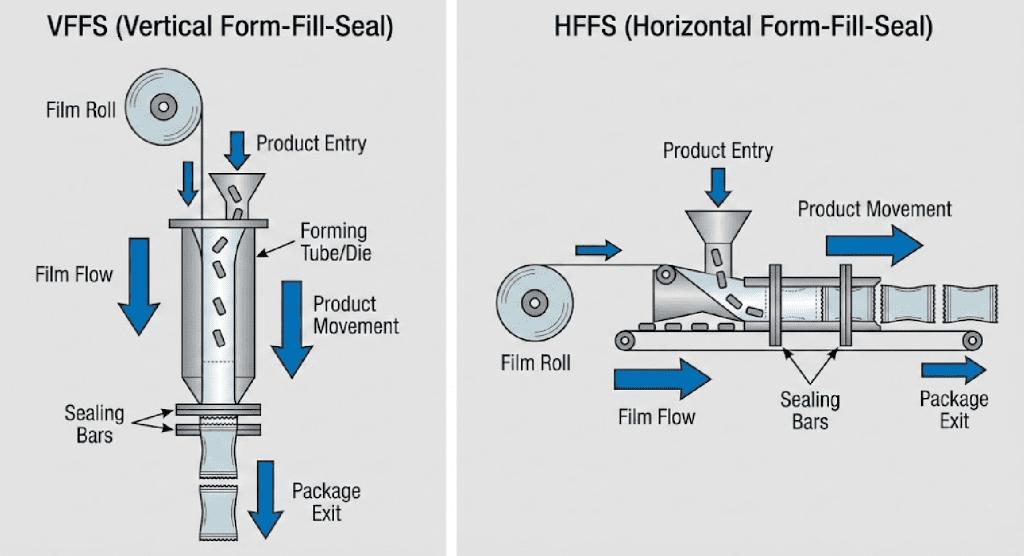
Vertical Form Fill Seal (VFFS)
Vertical form fill seal machines create pillow pouches by forming film vertically around a filling tube.
The machine performs several actions in sequence:
- Film unwinds from a roll
- The forming collar shapes the film into a tube
- The film edges seal together along the back
- The product drops through the filling tube
- Cross seals close the pouch
VFFS machines frequently package products such as:
- Snacks
- Coffee
- Powdered ingredients
- Frozen foods
Modern VFFS systems often reach 150–250 packages per minute depending on pouch size and product characteristics.
Horizontal Form Fill Seal (HFFS)
Horizontal form fill seal machines process film horizontally rather than vertically.
The product moves along a conveyor while the machine wraps film around it and seals both ends of the package.
Manufacturers use HFFS systems for:
- Biscuits
- Chocolate bars
- Medical devices
- Hardware components
This configuration suits products that maintain a defined shape during packaging.
Materials Used in Pillow Pouch Packaging
Flexible packaging films typically contain multiple layers. Each layer performs a different function within the laminate.
Common film materials include:
BOPP (Biaxially Oriented Polypropylene)
BOPP films offer clarity and moisture resistance. Snack food brands frequently use BOPP laminates for chips and confectionery packaging.
Advantages include:
- strong printing surface
- resistance to moisture transfer
- stiffness that supports machine handling
PET (Polyester)
PET provides tensile strength and dimensional stability during packaging. The material also supports high-resolution rotogravure printing used in consumer product packaging.
PE (Polyethylene)
PE generally functions as the inner sealing layer. Heat applied by the packaging machine melts the PE layer to create pouch seals. The material also provides flexibility and puncture resistance.
Nylon (Polyamide)
Nylon increases puncture resistance and mechanical durability. Products with sharp edges or irregular shapes often require nylon layers within the laminate.
Aluminum Foil
Foil laminates block oxygen, moisture, and light. Coffee and pharmaceutical products often use aluminum foil packaging structures.
Types of Pillow Pouch Structures
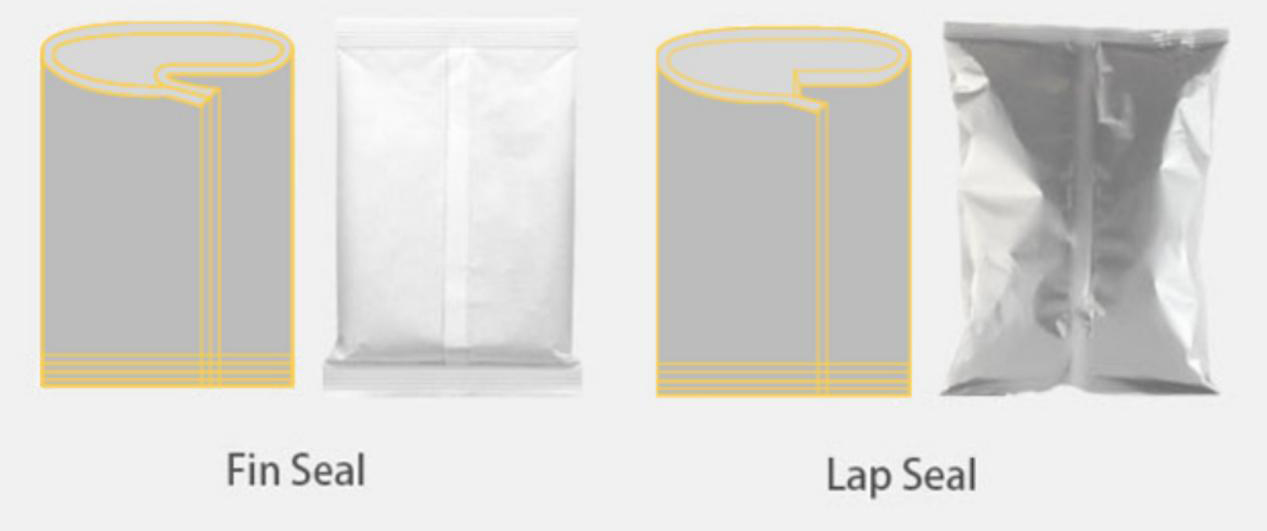
Although pillow pouches share a similar overall shape, manufacturers use several sealing structures depending on product requirements.
| Structure | Seal Location | Typical Products |
| Back seal pouch | center back | coffee, powders, snacks |
| Fin seal pouch | raised fin seam | chips, candy |
| Lap seal pouch | overlapping seam | lightweight snacks |
Back Seal Pillow Pouch
Back seal pouches place the longitudinal seal along the center of the pouch’s backside.
The configuration produces a flat front surface for graphics and maintains symmetrical pressure distribution during filling.
Manufacturers often select this structure for:
- coffee packaging
- seasoning packets
- snack foods
- instant noodle products
Fin Seal Pillow Pouch
Fin seal pouches fold the film edges outward before sealing.
The seam forms a raised fin extending from the pouch surface. This configuration keeps product particles away from the seal area.
Manufacturers often use fin seals when packaging loose snacks.
Lap Seal Pillow Pouch
Lap seals overlap one film edge over another before sealing.
The seam appears flatter than a fin seal and uses slightly less material thickness.
However, lap seal structures require precise machine alignment to maintain seal consistency.
Pillow Pouch vs Other Flexible Packaging Formats
Manufacturers often compare several pouch formats before selecting packaging for a product line. The table below compares pillow pouches with other common flexible packaging options.
| Packaging Type | Structure | Material Usage | Packaging Speed | Shelf Display | Typical Products |
| Pillow pouch | back seal or fin seal | low | very high | lies flat | snacks, candy |
| Stand-up pouch | bottom gusset | moderate | medium | stands upright | coffee, pet food |
| Side gusset pouch | gusset sides | moderate | medium | upright with support | coffee beans |
| Flat pouch | sealed on three sides | low | high | flat | samples, sachets |
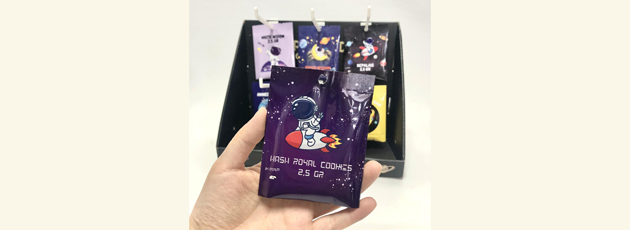
Pillow Pouch
Suitable for large production volumes and automated packaging lines.
Stand-Up Pouch
Provides stronger retail visibility but uses more complex film structures.

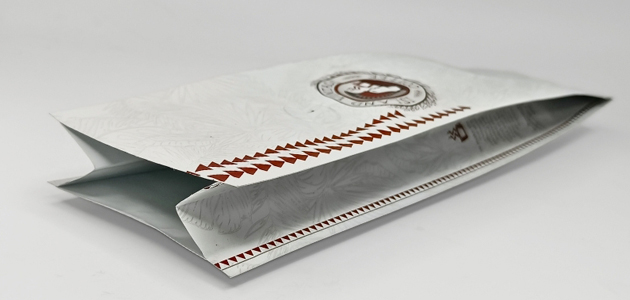
Side Gusset Pouch
Common in coffee packaging where larger volumes are required.
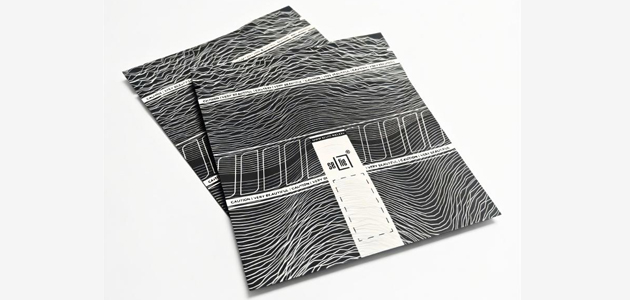
Flat Pouch
Often used for small single-use packaging.
This comparison helps manufacturers evaluate packaging based on production efficiency, retail presentation, and material usage.
Industries That Use Pillow Pouch Packaging
Pillow pouch packaging appears in several industries due to its compatibility with automated production lines.
Food Manufacturing
Food companies represent the largest users of pillow pouches.
Typical products include:
- snack chips
- candy and chocolate
- biscuits
- instant noodles
- seasoning powders
Barrier laminates help protect product freshness during storage.
Personal Care and Cosmetics
Cosmetic brands often package travel-size products in pillow pouches.
Examples include:
- shampoo sachets
- lotion samples
- cosmetic creams
The format allows brands to distribute samples at low packaging cost.
Pharmaceutical and Medical Products
- Medical suppliers package products such as alcohol wipes and sterile swabs in sealed pillow pouches.
- Flexible laminates protect the contents during storage and transportation.
Industrial and Hardware Products
- Small mechanical parts and electronic accessories also appear in pillow pouches.
- Automated packaging machines can quickly count and package small components.
Sustainability Trends in Pillow Pouch Packaging
Packaging manufacturers continue developing materials that reduce environmental impact.
- Recyclable Mono-Material Films: Some converters now produce polyethene-based laminates that allow recycling within existing PE waste streams.
- Lightweight Film Engineering: Engineers reduce film thickness while maintaining sealing strength and barrier performance.
- Solvent-Free Lamination: Certain packaging suppliers use solvent-free adhesive systems during film lamination to reduce emissions.
- Bio-Based Plastics: Research continues into plant-based polymer films suitable for flexible packaging.
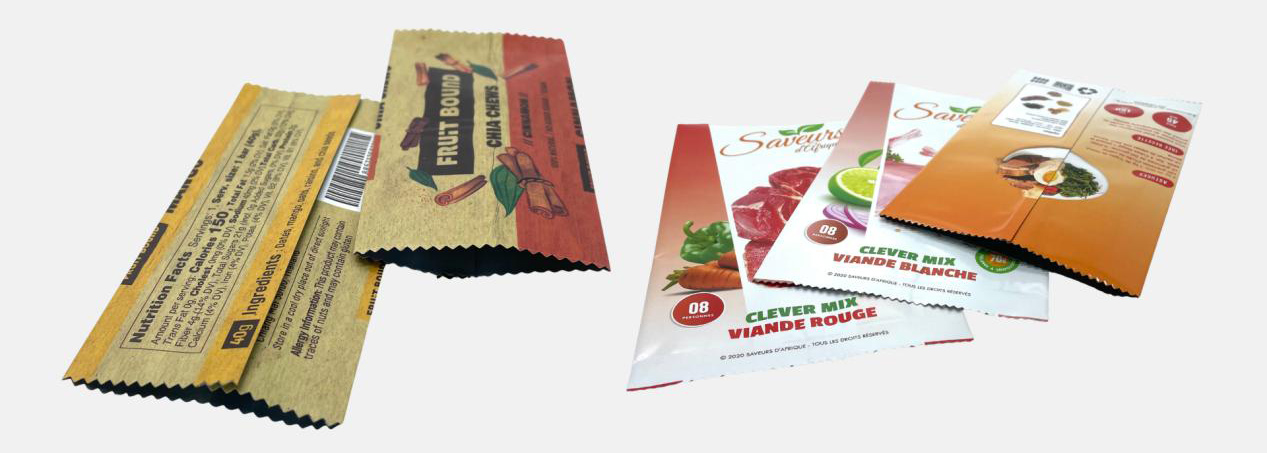
Back Seal Pillow Pouch Applications in Automated Packaging Lines
High-speed packaging operations often select back-seal pillow pouches because the structure performs reliably on form-fill-seal equipment and maintains stable seals during continuous production.
Manufacturers packaging snacks, powders, or consumer goods often choose back seal pillow pouch packaging when they need packaging that supports automated filling systems and large production volumes.
Companies evaluating flexible packaging for a new product line can contact the Gozen Packaging team to discuss film structures, printing options, and customized pillow pouch production.
Frequently Asked Questions
Q What is pillow pouch packaging used for?
Pillow pouch packaging is used for snack foods, confectionery, coffee powder, seasoning packets, personal care sachets, and small hardware items.
Q What materials are used in pillow pouch packaging?
Manufacturers commonly use laminates composed of PET, BOPP, PE, nylon, or aluminum foil.
Q What machines produce pillow pouches?
Most pillow pouches are produced using vertical form fill seal (VFFS) or horizontal form fill seal (HFFS) packaging machines.
Q What is the difference between a pillow pouch and a stand-up pouch?
Pillow pouches lie flat and use less packaging film, while stand-up pouches include a bottom gusset that allows the package to stand on retail shelves.
Conclusion
Pillow pouch packaging appears across many manufacturing sectors because it supports automated packaging systems, efficient film usage, and large production volumes.
The format combines simple structural design with flexible film materials capable of protecting a wide range of products.
Manufacturers evaluating flexible packaging options often consider pillow pouch structures alongside other pouch formats to determine which design best supports production requirements and distribution conditions.
Companies planning a packaging project can explore back seal pillow pouch packaging solutions and contact Gozen Packaging to discuss custom film structures, printing designs, and packaging specifications.