7 Popular Packaging Options for Retail and E-commerce Brands
In this guide, we’ve put together a list of the 7 most common types of packaging and their best-use scenarios to help you make the best choice for your business.
Understanding the 3 Levels of Packaging
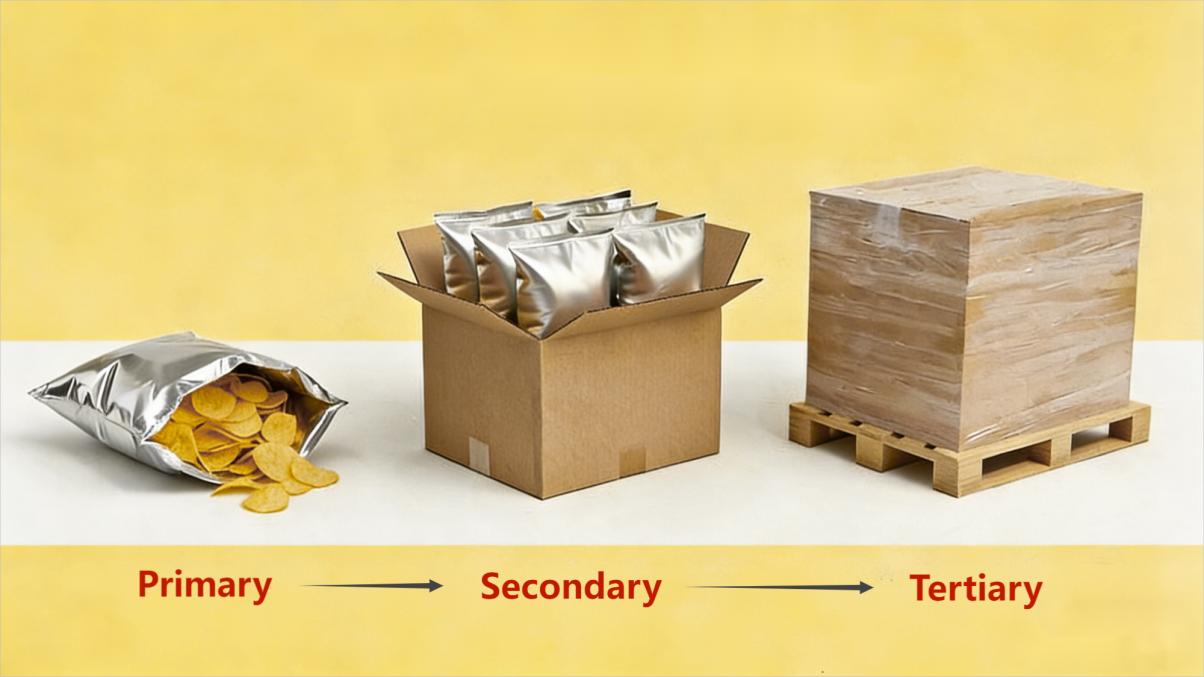
Before getting into the specific types, it helps to see packaging as a three-tier system. Each level has a different job, and understanding the distinction is key to keeping your costs in check while protecting your product.
- Primary Packaging (The Inner Layer): This touches the product directly. Its main job is to hold and protect the item itself.
- Secondary Packaging (The Retail Layer): This sits just outside the primary layer. It’s used to group items together, either for retail shelf display or to organise multiple products for shipment.
- Tertiary Packaging (The Transit Layer): Customers rarely see this part. It’s designed for large-scale logistics, enabling efficient transportation, warehousing, and mechanical handling.
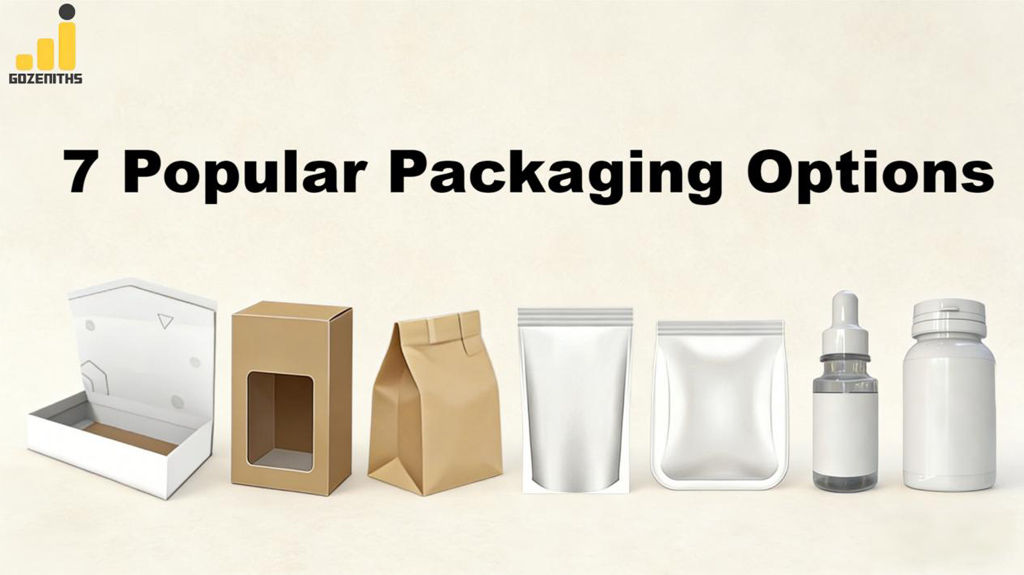
7 popular packaging options
We gathered the best retail packaging solutions to bring you 7 popular packaging options you need to know. Each one serves a different purpose, and picking the right one really depends on what you’re selling.
1. Boxes and Cartons
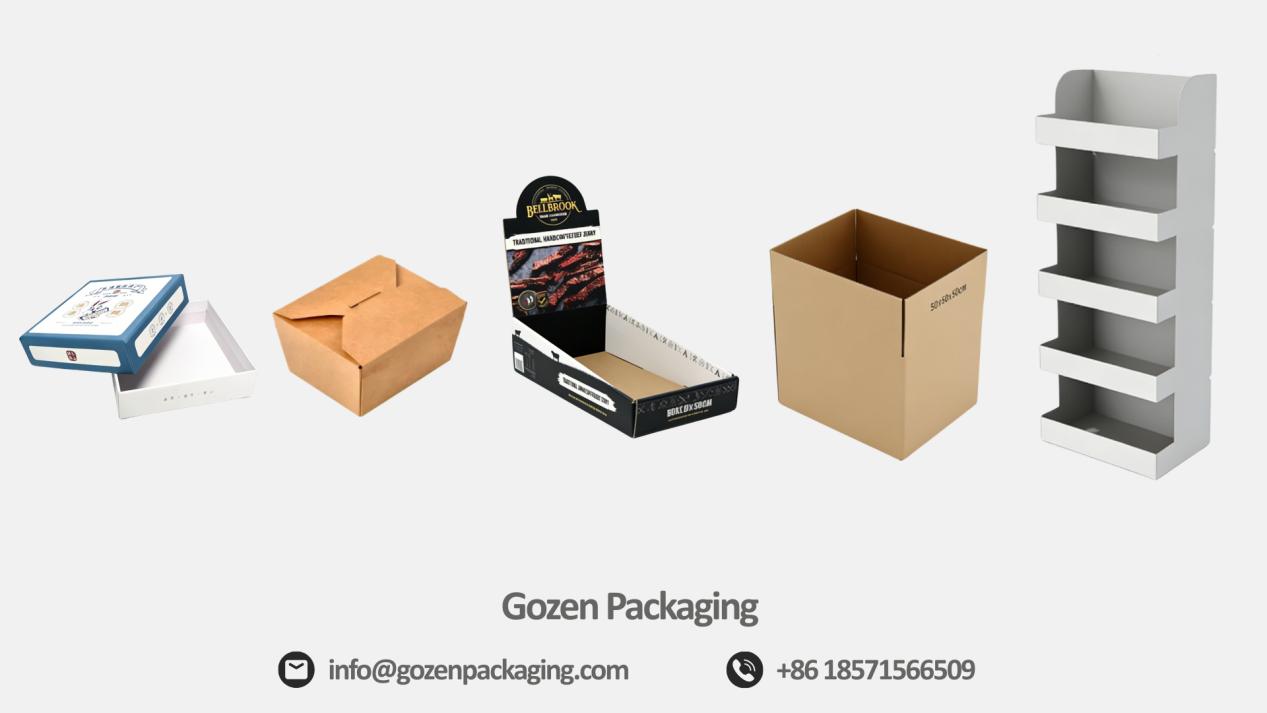
Boxes are probably the first thing that comes to mind when you think of packaging. They come in a few different styles.
- Corrugated Boxes: These are your go-to for shipping. They are strong, durable, and perfect for e-commerce brands that need to make sure products arrive safely.
- Paperboard & Folding Cartons: These are lightweight and very easy to print on. They are the standard for items like cosmetics, cereal, and smaller retail goods.
- Rigid Boxes: Want to add a premium feel? These are about four times thicker than standard paperboard. They are perfect for luxury items, like high-end electronics or jewelry.
- Chipboard Packaging: This is a cost-effective and eco-friendly choice. It’s essentially a thick paper-based board that is easy to cut and fold into various custom shapes.
- Paper Tubes: These are cylindrical, sturdy, and eco-friendly. They provide a unique unboxing experience for products like cosmetics, candles, or apparel.
2. Flexible Packaging and Pouches
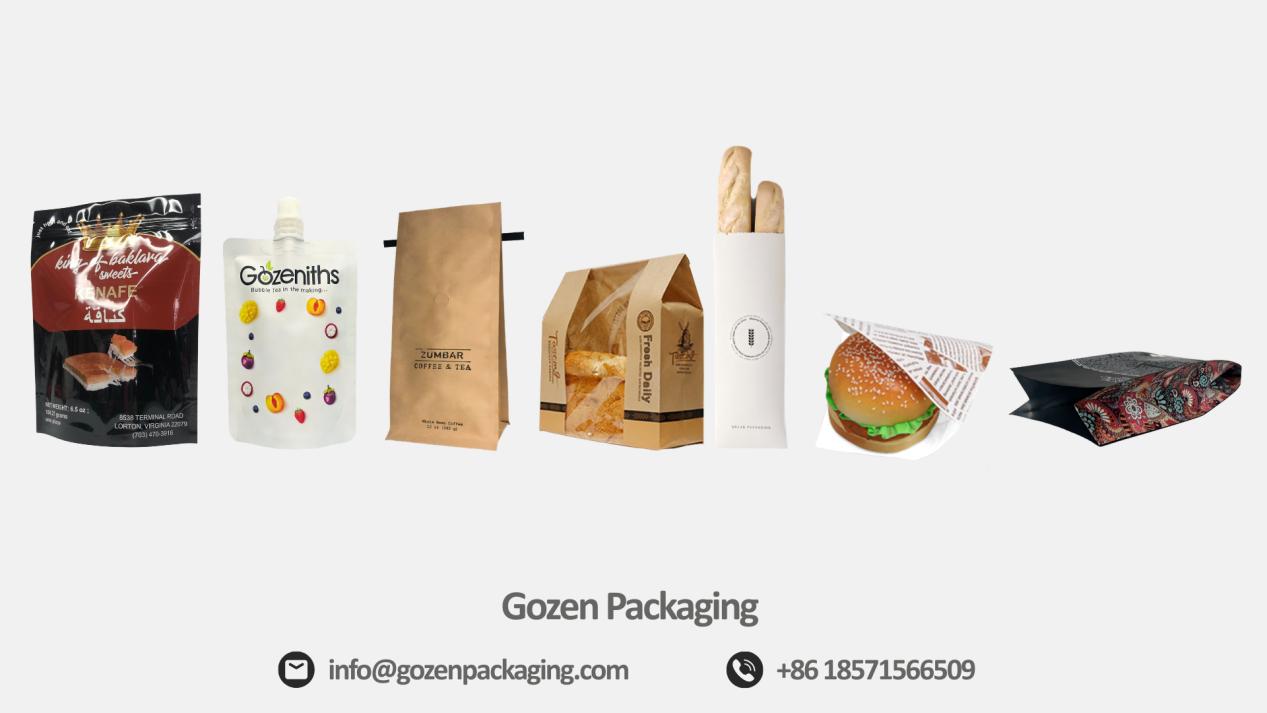
If you want to save space and reduce shipping weight, look into flexible packaging.
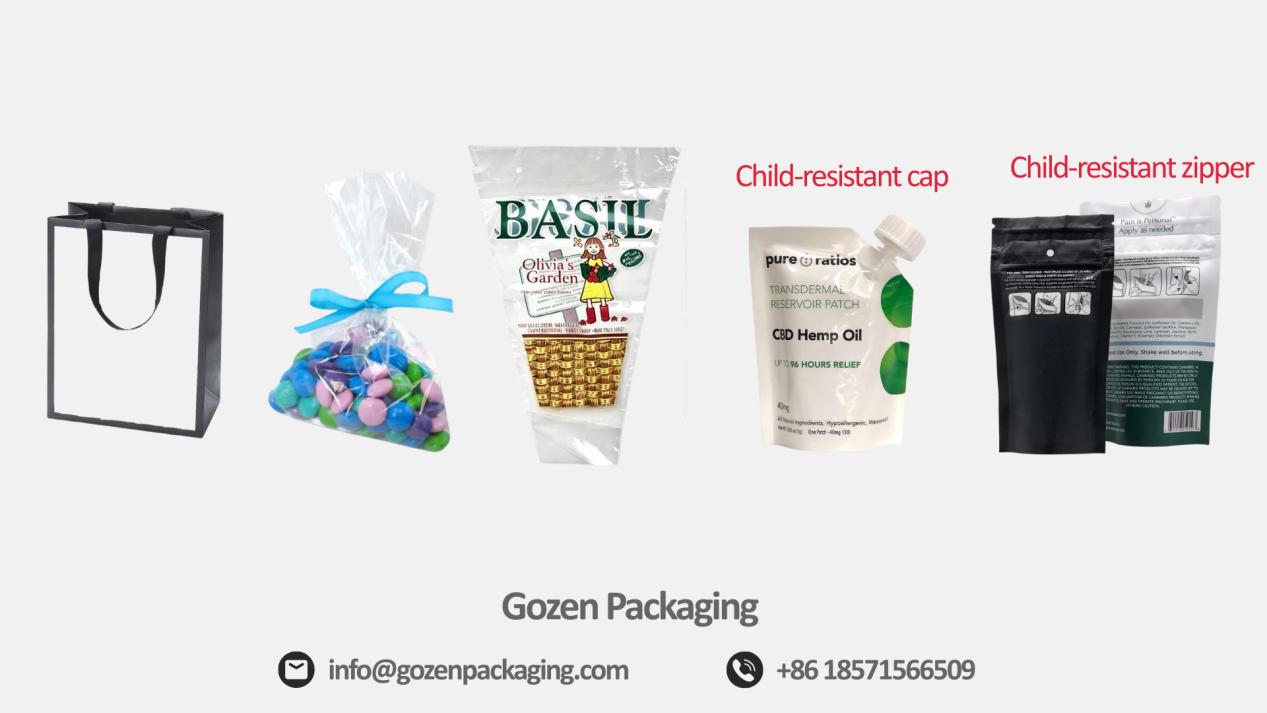
- Poly Bags: Simple, durable, and very affordable. They are widely used for apparel, flowers, and many food products.
- Foil Sealed Pouches: These act as a barrier against light, moisture, and air. They are excellent for keeping coffee, tea, and snacks fresh for a long time.
- Shrinkwrap: Often used as secondary packaging. It’s light and wraps tightly around products to keep them secure, though it isn’t great for printing branding directly on it.
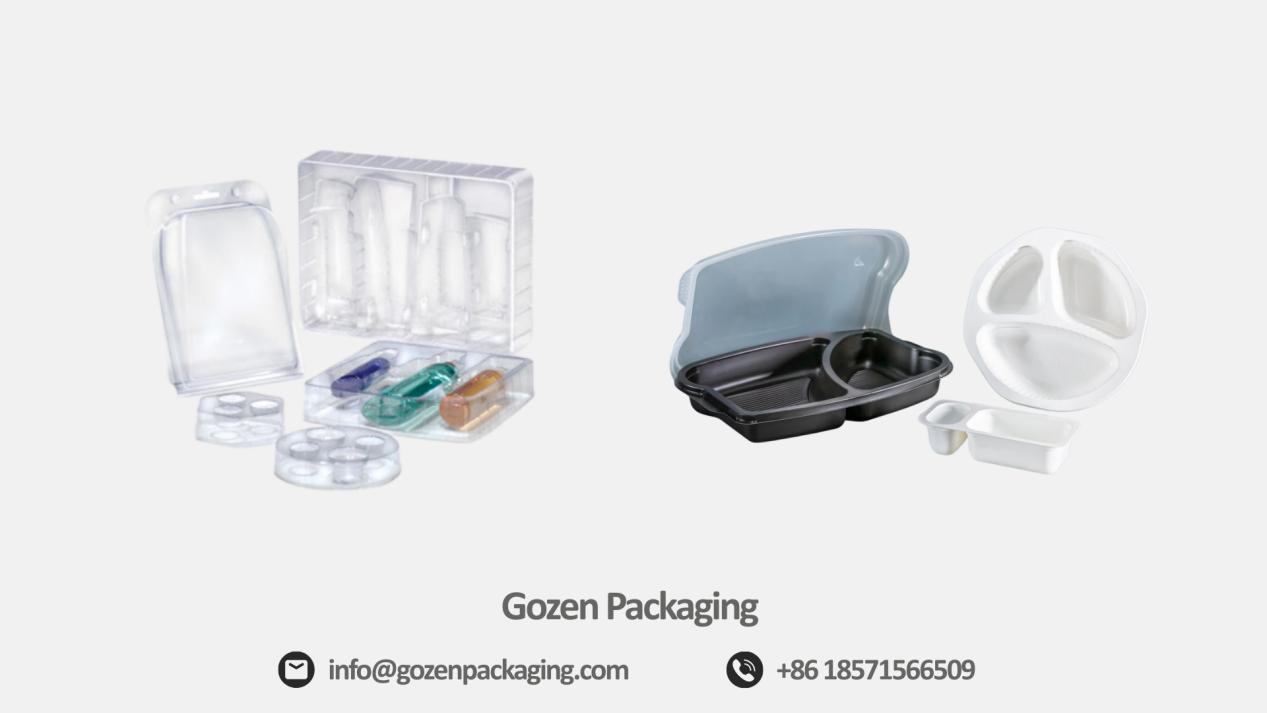
3. Thermoformed Plastic Trays & Blisters
When you need to organize parts or show off a product while keeping it safe, thermoformed plastic trays are the answer.
- Blister Packs: You see these everywhere in pharmacies and tech stores. They secure products behind a clear plastic “blister,” making them perfect for medicine or small electronic accessories.
- Clamshell Containers: These open like a shell. They are ideal for high-value electronics or food items where you want the customer to see the product clearly before buying.
- Thermoformed Trays: These are the workhorses of manufacturing. They are designed for stacking and organizing parts, making them essential for factory assembly lines and shipping small components.
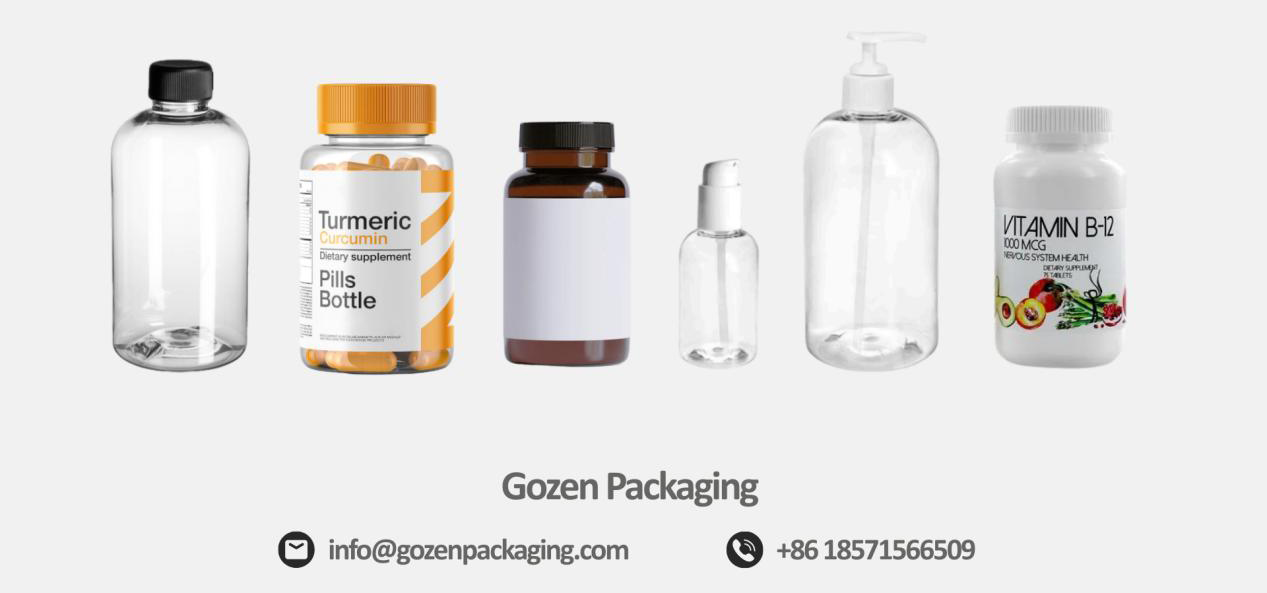
4. Bottles, and Jars
- Glass: Gives your product a premium, high-end feel. It’s also great because it doesn’t interact with the contents, keeping the product pure.
- Plastic (PET): If you need something lightweight and shatterproof, go with plastic. It’s much easier to ship and safer to handle than glass.
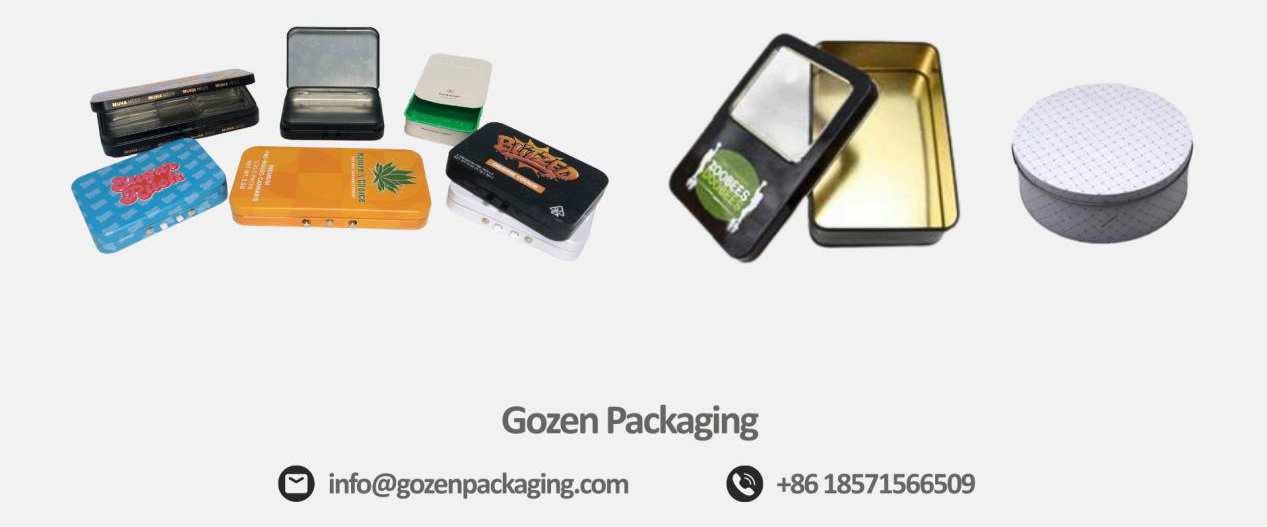
5. Cans and Metal Packaging
- Aluminium & Tinplate: These provide a 100% barrier against light and oxygen. Because of this, they are the standard for carbonated drinks, paints, and food items that need a long shelf life. They are also highly recyclable, which is a big plus.
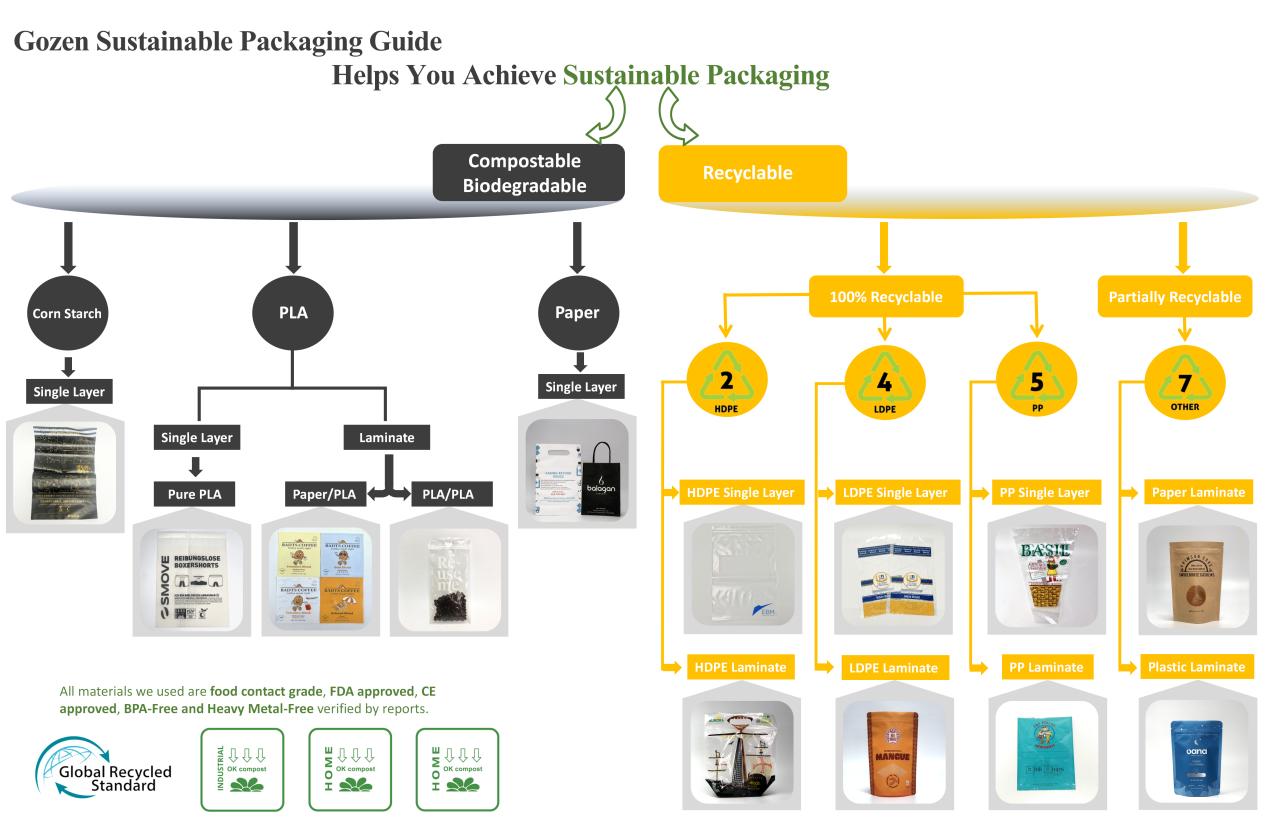
6. Sustainable and Eco-Friendly Packaging
Modern shoppers care about the planet. Using eco-friendly packaging materials is no longer just a nice trend. It shows your brand takes responsibility for its waste, which can build deep trust and loyalty.
- Paper-Based: Paper or Kraft paper bags are affordable, recyclable, and have a classic, natural look that many brands love.
- Plant-Based & Compostable: These bags are made from PLA, corn starch or cellophane. They can break down naturally, perfect for zero-waste brands.
- Recycled Plastics: PCR (Post-Consumer Recycled) bags are made from plastic that has already been used and recycled.
- Mono Material: These bags are made from just one type of material (such as PP or PE), making them super easy to recycle.
- PE//PE Laminate: They are 100% recyclable. We offer regular PE//PE laminate, GRS PE//PE laminate or high-barrier PE//PE laminate bags, keeping food fresh without using unrecyclable foils.
- Mylar Bags: Highly durable for long-term storage. You can now get recyclable or PCR Mylar versions.
7. Speciality & Custom Packaging
Sometimes, the little details make the biggest difference. Custom touches make your brand memorable.
- Frustration-free Packaging: Have you ever needed scissors to cut open a tough plastic shell? It is annoying. Frustration-free designs fix this. They make the unboxing experience smooth, quick, and happy.
- Novelty & Adornment: Think of custom ribbons, stickers, or limited-edition holiday boxes. These turn a normal purchase into a gift. It adds real value to your brand and makes the customer feel special.
How to Choose the Right Packaging for Your Product
The “best” packaging isn’t a one-size-fits-all solution; it’s the one that perfectly aligns with your product, your brand, and your budget.
Here is a simple guide to help you make the best decision for your brand:
1. Product Requirements
The primary function of packaging is protection. Before aesthetics, prioritize the physical needs of your item:
- Fragile items: If you are shipping electronics or glassware, corrugated box alternatives or heavy-duty corrugated cardboard with internal cushioning are essential.
- Perishables: Food and beverage products require materials that offer moisture barriers or airtight seals, such as specialized plastics or aluminum foil laminates.
- Medical/Sensitive goods: Products requiring sterility often rely on thermoformed plastic trays or blister packs to ensure safety and integrity.
2. Brand Identity
- Luxury Brands: If you are selling high-end goods, opt for rigid boxes with premium finishes (like embossing or foil stamping) to create an “unboxing experience.”
- Value-Driven Brands: For everyday retail items, folding cartons or minimalist, functional designs often communicate efficiency and accessibility.
3. Shipping and Budget
Logistics costs can quickly erode your margins. When evaluating retail packaging solutions, consider the “dimensional weight.” Heavy or oversized packaging increases shipping fees. Find the right balance between protection and weight. Sometimes, switching to a lighter, custom-fit box saves more money in the long run than buying cheap, generic packaging that requires tons of extra bubble wrap.
Conclusion
Choosing the right packaging is a balancing act between protection, cost, branding, and sustainability. Whether you are looking for robust corrugated box alternatives for e-commerce or elegant retail packaging solutions for a boutique store, the right choice will not only keep your products safe but also elevate your brand’s identity in a crowded marketplace.
Whether you are launching a new product or refreshing your brand, we specialize in custom packaging solutions that blend innovation, functionality, and market-driven design. Let’s create packaging that speaks to your audience and drives your sales.
Ready to get started? Contact us at [email protected] or WhatsApp +86 18571566509.