Stick Pack vs Sachet Packaging: The Ultimate Guide for Brands
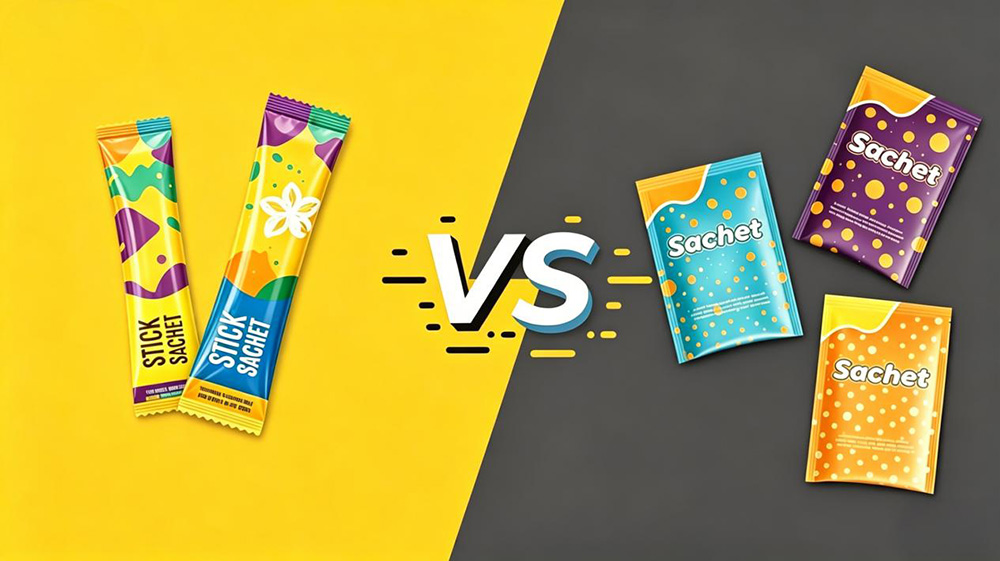
The global demand for single-serve packaging is growing rapidly. From nutraceutical powders and supplements to cosmetics and liquid condiments, small-dose options offer unmatched convenience.
Selecting the right flexible packaging format is a critical engineering and financial decision. This guide by Gozen Packaging analyzes the technical definitions, machinery requirements, and material efficiencies of stick packs and sachets to help you choose the ideal solution.
What is Stick Pack Packaging?
A stick pack is characterized by its slender, tubular geometry. It is a long, narrow single-serve pouch that is typically defined by a specific aspect ratio: its length is generally four to five times greater than its total width.
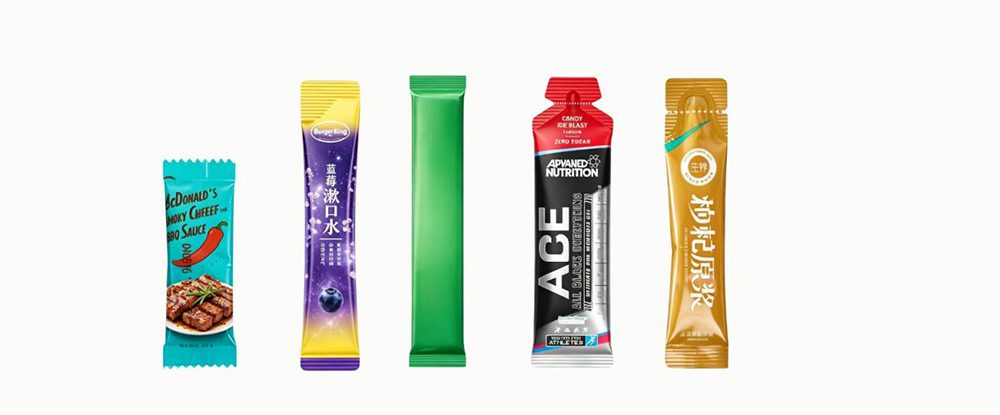
Structural Characteristics of Stick Packs
- Sealing Mechanism: Formed with a vertical back lap seam or fin seal (a continuous longitudinal seam down the rear center of the stick) and two horizontal end seals (top and bottom). This is mechanically classified as a 3-side seal structure.
- Standard Dimensional Ranges: Lengths vary broadly from 40 mm to 200 mm, with widths tightly constrained between 10 mm and 50 mm.
- Primary Target Media: Ideally engineered for free-flowing powders, fine granulated crystals (such as sugar, salt, and spices), highly concentrated nutritional matrices, and certain flowable low-viscosity liquid gels.
The Consumer Psychology of the Stick Format
The primary selling point of the stick pack is its neat delivery mechanism. Because of its narrow shape, a consumer can easily pour powdered drink mixes, pre-workouts, or functional creamers directly into the narrow neck of a standard disposable water bottle or travel shaker without spills. This makes it an incredibly popular format in the sports nutrition, pharmaceutical, and premium beverage sectors.
What is Sachet Packaging?
In contrast to the sleek, cylindrical profile of a stick pack, a sachet is a flat, square, or rectangular-shaped flexible pouch. It is designed to maximize the visible surface area of the face panel rather than optimizing for narrow spatial dynamics.
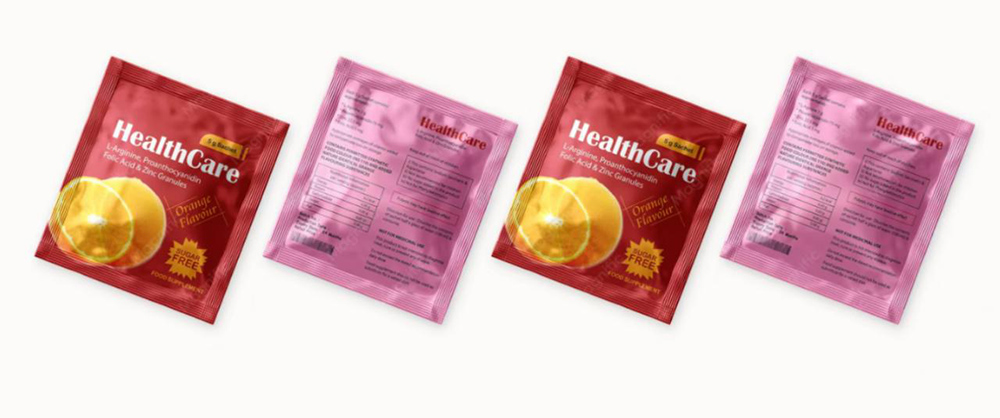
Structural Characteristics of Sachets
- Sealing Mechanism: Constructed utilizing either a 3-side seal format(folded on one long edge and sealed on the remaining three edges) or a 4-side seal format (fully bounded by heat seals on all four peripheral margins).
- Standard Dimensional Ranges: Highly versatile and broad, ranging from small 30 mm x 30 mm condiment samples to large-format 150 mm x 150 mm meal replacement pouches.
- Primary Target Media: Excellent for high-viscosity liquids, thick moist gels, paste emulsions, cosmeticlotions, wet wipes, and granular blends that require a wide aperture for easy dispensing.
The Marketing Psychology of the Sachet Format
Sachets offer a much larger “canvas” on both the front and back face panels. This expanded printing landscape provides maximum space for complex ingredient labels, regulatory FDA warnings, multilingual instructional text, and bold branding graphics. This makes the sachet the standard choice for cosmetic sample campaigns, premium skincare masks, pharmaceutical tablets, and food condiments.
Side-by-Side Comparison Stick Packs vs. Sachets
To help your engineering and procurement teams visualize the core physical differences, we have compiled a structural matrix comparing the two formats across critical operational benchmarks:
| Architectural & Manufacturing Metrics | Stick Pack Packaging | Sachet Packaging |
|---|---|---|
| Aesthetics & Shape | Slender, cylindrical, elongated tube | Flat, uniform square or broad rectangle |
| Seal Type Configuration | 3-Side Seal (Top, Bottom, Posterior Seam) | 3-Side or 4-Side peripheral border heat seals |
| Aspect Ratio (Length:Width) | High Aspect Ratio (Usually 4:1 up to 5:1) | Low Aspect Ratio (Close to 1:1 or 2:1) |
| Material Usage Efficiency | High Efficiency (Saves 25%–40% film volume) | Standard Efficiency (Requires larger border trims) |
| Dispensing Precision | Pours cleanly into narrow water bottle bottlenecks | Wide tear path; best for squeeze pastes & liquids |
| Printable Surface Area | Narrow; requires minimalist brand layout | Broad; maximizes room for labels & regulations |
| Tear Options | Linear laser scoring, V-notches | Micro-perforations, tear notches, zigzag edges |
Why Good Flexible Packaging Strategy Matters for Growth
Whether a product aligns with the ergonomic appeal of a stick pack or the graphic layout space of a sachet, the chosen packaging is the tangible touchpoint of product quality.
In contract packaging and global retail procurement, custom single-serve pouches serve three foundational commercial objectives:
Protecting Active Ingredient Integrity
High-quality barrier laminated films prevent the transmission of moisture vapor, oxygen cross-contamination, and ultraviolet light degradation. For active nutraceutical probiotics, unstable vitamin C serums, or hygroscopic chemical powder mixes, a failure in the flexible film seal means a failed shelf life, leading to expensive product recalls.
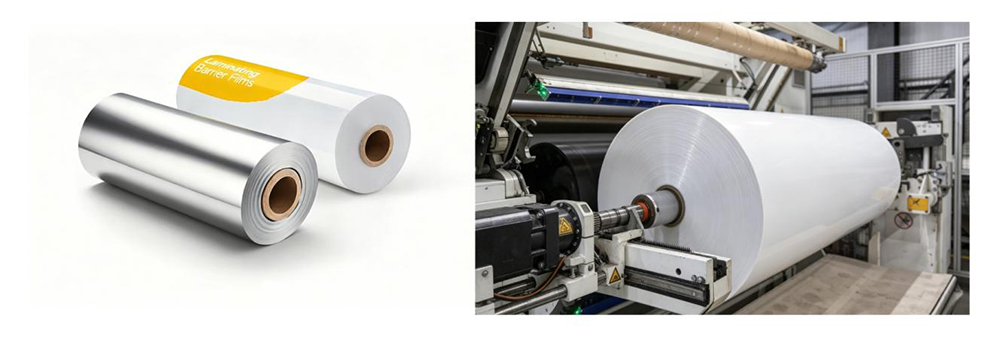
Maximizing Trial Conversions and Sampling Loops
Single-dose packs serve as a low-cost, high-volume sampling strategy. Providing consumer trials via custom sachets tucked inside monthly subscription boxes or passed out at regional events allows for efficient customer acquisition while maintaining strong profit margins on paid single-serve packs.
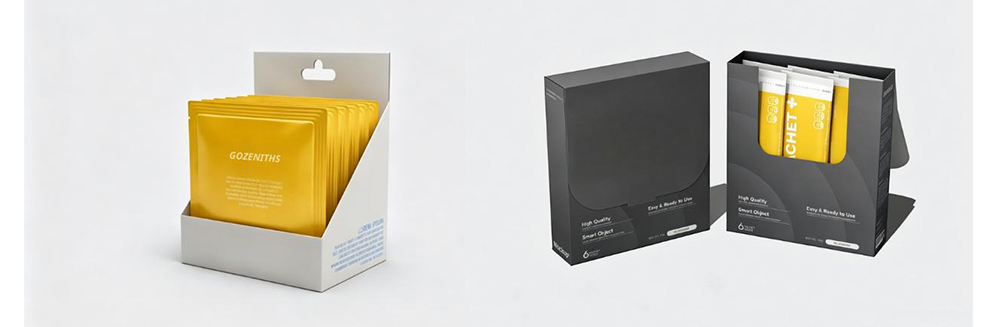
Supporting On-the-Go Lifestyles
Modern consumers prioritize mobility. Single-serve portions fit easily into pockets, gym duffed bags, purses, and office desks, transforming products from static household pantry items into dynamic companions for everyday transit.
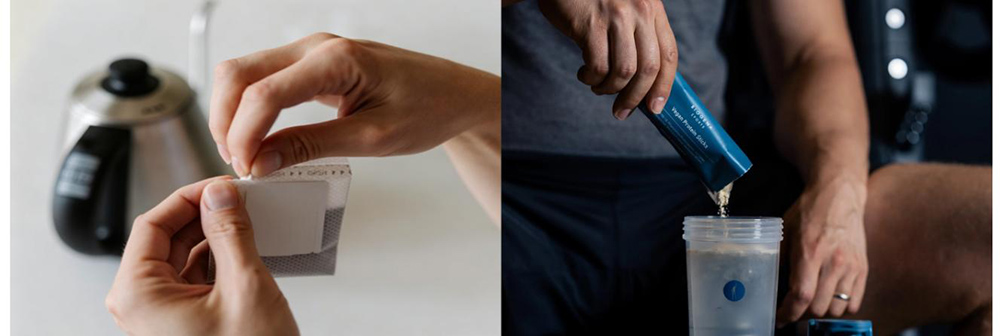
Filling Machinery Compatibility VFFS for Sticks vs. Sachets
One of the most significant variables determining project costs is how the packaging film integrates with automated filling machinery. Both formats typically utilize Vertical Form Fill Seal (VFFS) technology, but the structural mechanics of the machine configurations differ considerably.
Multi-Lane Stick Pack VFFS Operations
Stick pack production lines are often configured as highly automated multi-lane vertical systems. A single wide master roll of flexible barrier film is fed into the machine, where slitting blades slice the material into multiple narrow strips simultaneously.
- The Forming Process: Each narrow strip of web film passes over a dedicated forming shoulder that rolls the film into a tube shape around a filling nozzle.
- The Mechanical Advantage: Because stick packs only require a rear vertical seam and horizontal cross-seals, multi-lane stick lines can run at incredibly high cycle speeds (often outputting hundreds of sticks per minute across 4 to 20 lanes). This provides exceptional throughput scaling for high-volume powder commodities.
Sachet Vertical and Horizontal Form Fill Seal (HFFS) Systems
While sachets can be run on multi-lane vertical machines, they are also frequently handled on robust Horizontal Form Fill Seal (HFFS) lines, particularly when packaging thick liquids or paste formulas.
- The Forming Process: The film is pulled horizontally over a V-shaped plow mechanism to form a continuous fold along the bottom edge, creating the front and back walls of the sachet. Vertical seal bars then compress the film at precise intervals to create individual pouches before filling and sealing the top.
- The Mechanical Advantage: HFFS sachet lines allow for the integration of custom multi-head liquid piston fillers, nitrogen-purging systems, and wet-wipe insertion modules. This setup provides superior sealing pressure control for 4-side perimeter configurations, minimizing the risk of edge leaks in liquid products.
Which Pouch Wins: Sustainability & Material Efficiency?
As global sustainability mandates tighten, packaging waste reduction is a key priority for corporate procurement. When evaluating stick packs against sachets from a sustainable perspective, material efficiency yields a clear winner.
The Material Savings of the Stick Pack Geometry
From a geometric standpoint, a stick pack requires 25% to 40% less total flexible laminate film volume than a sachet designed to hold the exact same volume of product.
Because sachets rely on wide peripheral border seals (especially 4-side seal configurations) to maintain structural flat rigidity, a significant percentage of the film rollstock is dedicated entirely to the seal area rather than the internal storage capsule. By switching to the vertical lap seam structure of a stick pack, total plastic material footprints can be significantly reduced.
Transitioning to Circular Green Laminated Materials
At Gozen Packaging, single-serve lines can be transitioned into eco-friendly alternatives without sacrificing shelf life protection:
- Recyclable Mono-Material Laminates: Utilizing specialized PE/PE or PP/PP structured barrier rollstock films that can be cleanly recycled within standard circular plastic streams.
- Post-Consumer Recycled (PCR) FilmLayers: Integrating certified recycled plastic content into the exterior structural layers of the film matrix to lower product carbon scores.
- Compostable Paper/Biopolymer Matrixes: Formulating high-barrier biodegradable combinations using paper substrates laminated to certified compostable interior seal liners, perfect for organic dry beverage powders.
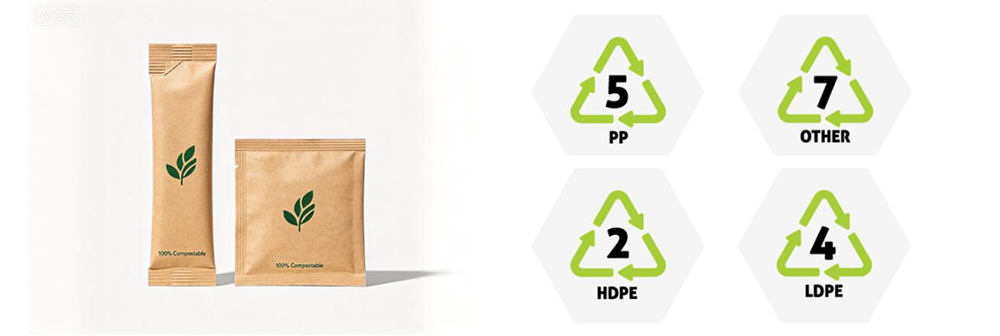
Selecting Your Ideal Format
To finalize a product packaging strategy, review this quick decision tree checklist based on core product properties and distribution goals:
Choose Stick Packs If
- The product is a dry, free-flowing beverage powder, sugar matrix, or energy supplement designed to be mixed directly into bottled water.
- Minimizing material cost per unit and maximizing machine output speeds are the primary financial drivers.
- The target market values space-saving, on-the-go convenience for active lifestyles.
- The layout design is clean and minimalist, requiring only essential details and a clean logo footprint on a slender canvas.
Choose Sachets If
- The product is a high-viscosity liquid, emollient face cream, thick gel paste, or contains an interior wet-wipe applicator.
- A 4-side peripheral seal is required to provide maximum leak-proof reassurance for oil-based liquids or chemical compounds.
- The container requires maximum printable surface area to display extensive ingredient metrics, multiple languages, or mandatory regulatory compliance disclosures.
- The product format requires unique shapes, such as contoured bottle profiles, circular circles, or dual-chamber configurations for mixing components upon opening.
Partner with Gozen Packaging for Your Single-Serve Strategy
Navigating the technical landscape of flexible packaging materials, barrier properties, and machinery compatibility requires an experienced, professional manufacturing partner.
At Gozen Packaging, we deliver high-performance custom rollstock films and prefabricated single-serve pouch solutions tailored to unique product specifications. From high-barrier aluminum laminates to fully certified sustainable mono-materials, our advanced digital and rotogravure printing facilities ensure your products stand out on retail shelves and in consumer hands.
Ready to optimize your single-serve product line? Contact the engineering technical team at Gozen Packaging today to schedule a free material consultation, sample takeoff evaluation, and custom wholesale manufacturing quote.