Types of Packaging: What Are Primary, Secondary, and Tertiary Packaging
Packaging is often treated as a necessary cost, but in reality, it is a strategic component of product success. From protecting goods to shaping brand perception and optimizing logistics, packaging decisions influence nearly every stage of the supply chain.
To make informed decisions, businesses must understand the three core types of packaging: primary, secondary, and tertiary packaging. These categories describe not just physical layers, but distinct functions, responsibilities, and audiences within product distribution.

Key Points for Fast Understanding
For readers who need immediate clarity, the following principles summarize the essentials:
- Primary packaging is the layer in direct contact with the product and is responsible for protection, safety, compliance, and consumer communication.
- Secondary packaging groups primary packaging units to enable storage, handling, retail display, and e-commerce delivery.
- Tertiary packaging is designed for large-scale logistics, enabling efficient transportation, warehousing, and mechanical handling.
- Packaging delivers the best results when designed as an integrated system rather than as isolated layers.
- Optimized packaging reduces cost, waste, damage, and environmental impact while improving operational efficiency.
Packaging as a Strategic System
Packaging should never be considered as a single object. In professional supply chain management, packaging functions as a multi-layered system that supports the product throughout its entire lifecycle.
Primary packaging focuses on protecting and preserving the product itself. Secondary packaging connects individual products to sales and distribution channels. Tertiary packaging ensures that large volumes of products can move efficiently through warehouses, transport vehicles, and global logistics networks.
When these layers are designed independently, inefficiencies appear. These include excess material usage, wasted transport space, higher shipping costs, inconsistent branding, and increased product damage. When designed together, packaging becomes a strategic asset that supports scalability, sustainability, and profitability.
What Is Primary Packaging
Primary packaging refers to any packaging that comes into direct contact with the product. It is the most critical packaging layer because it directly affects product integrity, safety, and regulatory compliance.
This packaging type is often called sales packaging or consumer packaging because it is what the customer ultimately uses and interacts with during consumption or use.
The Functional Importance of Primary Packaging
The core function of primary packaging is protection. It shields products from environmental factors such as moisture, oxygen, light exposure, contamination, and physical damage. In the case of food, pharmaceuticals, and cosmetics, primary packaging is also responsible for preventing chemical interactions and maintaining hygiene standards.
Primary packaging is also the primary carrier of legally required information. This includes ingredients, expiration dates, safety warnings, usage instructions, and disposal guidelines. Failure at this level can result in regulatory penalties, recalls, and loss of consumer trust.
Beyond protection and compliance, primary packaging plays a powerful role in shaping brand perception. Material choice, design, texture, and usability all influence how consumers perceive quality and value.

Our Craft Selection
Single-layer, Two-layer lamination,multi-layer lamination, differentialcomposite, high-temperatureresistant retort

Our Material Selection
High quality, verified by testreports to be non-toxic,odorless, and colorless.
Common Forms of Primary Packaging
Primary packaging appears in many forms depending on product type and industry:
- Bottles and jars made from glass or plastic for liquids and cosmetics
- Metal cans and tins for food, beverages, and industrial products
- Blister packs, sachets, and skin packs for pharmaceuticals
- Flexible pouches for snacks, powders, and dry goods
- Protective films and inner plastic sleeves for electronics
In direct-to-consumer and e-commerce business models, products may rely on more than one form of primary packaging to meet regulatory requirements while remaining suitable for shipping.

Primary Packaging Material Considerations
Choosing the right primary packaging material requires balancing multiple factors. These include product compatibility, barrier properties, safety standards, sustainability expectations, and cost efficiency.
For example, glass offers excellent barrier protection and premium perception but increases weight and breakage risk. Plastic provides lightweight durability and flexibility but raises sustainability concerns.
Paper-based materials offer recyclability but limited moisture resistance. Multi-layer materials provide superior protection but are difficult to recycle.
These trade-offs must be evaluated carefully at the primary packaging level because they affect every downstream stage of the supply chain.
What Is Secondary Packaging
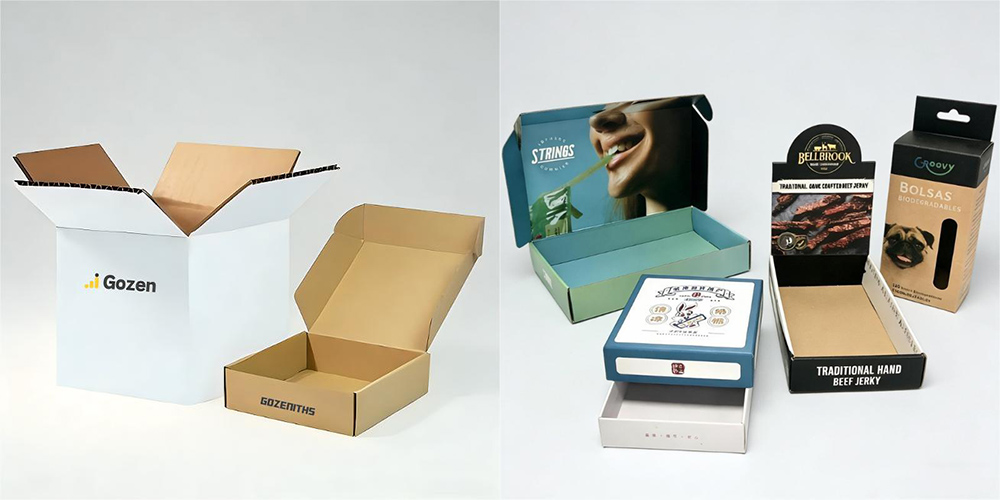
Secondary packaging is the layer that encloses, organizes, or groups multiple units of primary packaging. It does not touch the product directly, but it plays a crucial role in protection, logistics efficiency, and presentation.
This packaging type acts as the bridge between individual products and the distribution system.
The Operational Role of Secondary Packaging
Secondary packaging simplifies handling and storage by grouping products into manageable units. It allows goods to be stacked safely in warehouses, transported efficiently, and replenished quickly at retail locations.
In e-commerce, secondary packaging often becomes the shipping container. As a result, it must protect products during last-mile delivery while also supporting the customer unboxing experience.
Secondary Packaging and Branding
Secondary packaging often carries significant branding elements. It may display logos, product descriptions, certifications, regulatory markings, and sustainability claims.
This makes secondary packaging a key touchpoint for brand communication, especially in retail environments where it may be the first visible packaging surface. At the same time, it must remain durable enough to withstand handling and transport without excessive material use.
Typical Forms of Secondary Packaging
Secondary packaging commonly includes:
- Folding cartons and cardboard boxes
- E-commerce mailer boxes
- Display-ready packaging for retail shelves
- Paperboard trays and sleeves
- Plastic crates for produce and beverages
The balance between aesthetics and functionality varies depending on the sales channel and business model.
What Is Tertiary Packaging
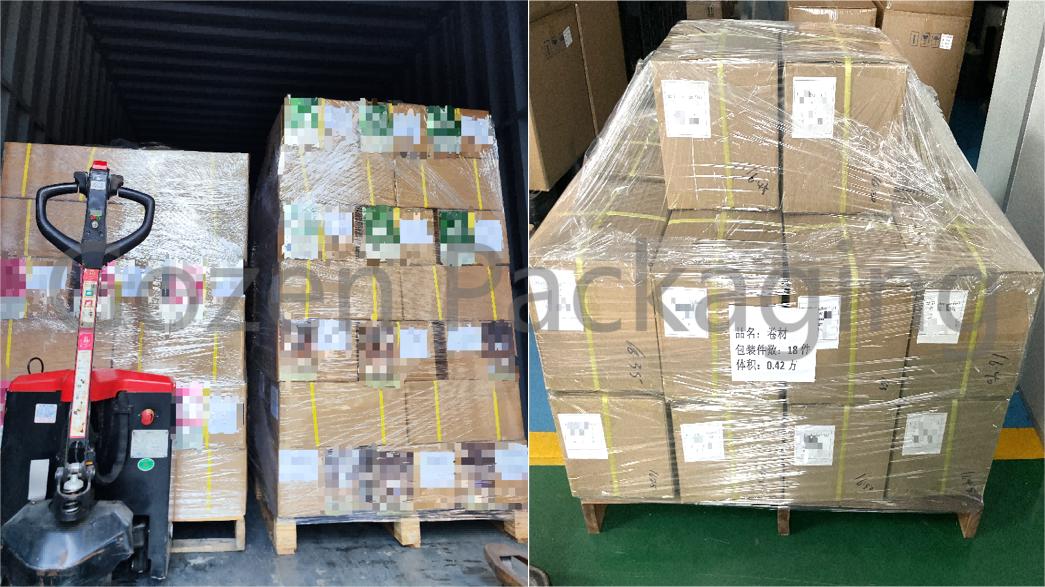
Tertiary packaging is used for bulk handling, storage, and transportation. This packaging layer is designed for logistics operations and is usually removed before products reach the end consumer.
Its primary purpose is efficiency rather than presentation.
The Logistics Function of Tertiary Packaging
Tertiary packaging enables products to be transported safely over long distances and stored efficiently in distribution centers. It must withstand stacking pressure, vibration, and repeated mechanical handling.
Space optimization is a critical consideration at this stage. Poor tertiary packaging design leads to unused container space, increased fuel consumption, and higher carbon emissions.
Common Forms of Tertiary Packaging
Typical tertiary packaging solutions include pallets, stretch wrap, shrink film, heavy-duty corrugated shipping boxes, and shipping containers. While branding is minimal, labeling for tracking, handling instructions, and compliance remains essential.
Comparison of Packaging Types
| Aspect | Primary Packaging | Secondary Packaging | Tertiary Packaging |
| Product contact | Direct | Indirect | None |
| Main purpose | Product protection and compliance | Grouping, protection, presentation | Bulk transport and storage |
| Main user | Consumer | Retailer and courier | Logistics operators |
| Branding role | High | Moderate | Low |
| Regulatory pressure | High | Medium | Low |
Packaging in Retail and E-commerce Contexts
Packaging requirements differ significantly between retail and e-commerce environments. Retail packaging prioritizes shelf visibility and brand storytelling, while e-commerce packaging prioritizes durability, protection, and shipping efficiency.
For online brands, secondary packaging often carries the greatest responsibility, serving both operational and marketing functions. It must protect the product while also delivering a positive unboxing experience that reinforces brand values.
Sustainability and Packaging Optimization
Sustainability has become a defining factor in packaging decisions. Consumers, regulators, and logistics partners increasingly expect brands to reduce waste, eliminate unnecessary layers, and adopt recyclable or biodegradable materials.
Optimizing the relationship between primary, secondary, and tertiary packaging allows businesses to reduce material usage without compromising protection or performance. Right-sized packaging, standardized dimensions, and material innovation all contribute to more sustainable supply chains.
Gozen eco-friendly packaging options support sustainable goals while maintaining performance.

How Businesses Can Optimize Packaging Systems
Effective packaging optimization begins with product analysis and supply chain mapping. Businesses that achieve long-term efficiency typically design all packaging layers together, standardize dimensions where possible, test packaging under real-world conditions, and continuously refine materials and formats as products and markets evolve.
Packaging optimization is not a one-time decision. It is an ongoing strategic process.
Frequently Asked Questions
Q What is the difference between primary, secondary, and tertiary packaging?
Primary packaging touches the product directly. Secondary packaging groups and protects primary packaging. Tertiary packaging supports bulk transport and storage.
Q Can one package serve more than one function?
Yes. In e-commerce, a shipping box may act as both secondary and tertiary packaging depending on its role in the supply chain.
Q Why is packaging optimization important?
Optimized packaging reduces logistics costs, prevents product damage, improves sustainability performance, and enhances customer experience.
Conclusion
Primary, secondary, and tertiary packaging are not separate decisions. They are interconnected components of a single system that supports product safety, logistics efficiency, branding, and sustainability.
When designed strategically, packaging moves beyond containment. It becomes a source of competitive advantage across the entire supply chain.
For complete custom solutions, material recommendations, and expert support, explore Gozen Packaging’s full suite of services and let us help you optimize your packaging from end to end.