Paper vs Plastic Packaging Environmental Impact and Industrial Selection in 2026

The global manufacturing landscape in 2026 operates under a sophisticated paradigm of environmental accountability. The choice between paper and plastic packaging has transitioned from a basic procurement task to a fundamental pillar of corporate strategy.
As supply chains face increasing scrutiny over their carbon footprints and waste management protocols, the debate surrounding these materials requires an analysis that extends beyond surface-level assumptions.
Decision-makers must navigate a complex set of variables, including Life Cycle Assessments (LCA), resource consumption during manufacturing, and the ultimate fate of materials within the circular economy.
While the push to eliminate plastics is a driving force for many brands, the reality of material science suggests that neither substrate is a flawless solution. Both possess unique environmental trade-offs that dictate their suitability for specific industrial applications.
Quick Comparison: Paper vs. Plastic Packaging
We understand that your time is valuable. To provide an immediate overview of the trade-offs discussed in this article, we have summarized the industrial pros and cons of both materials as they stand in 2026.
This comparison serves as a high-level guide to help you navigate the complexities of material selection within a sustainable framework.
| TYPE | PROS | CONS |
| PLASTIC |
• Manufacturing Efficiency: Requires only 0.5 kWh of energy and 1.5L of water per unit. • Low Production Emissions: Generates the lowest immediate CO2 footprint (0.7g) during the factory phase. • Logistics Advantage: Lightweight and space-efficient; requires significantly fewer trucks for transport. • Performance: High resistance to moisture, chemical agents, and biological decay. |
• Environmental Persistence: Persists for 450 to 1,000 years as it does not biodegrade. • Marine Toxicity: Critical “Persistence Cost” due to fragmentation into microplastics. • Fossil Fuel Dependency: Derived from the refining of petroleum or natural gas. • Recycling Failure: Global recycling rates remain trapped below 10%. |
| PAPER |
• Rapid Decomposition: Naturally breaks down in 2 to 6 weeks under natural conditions. • Carbon Sequestration: Managed forests act as carbon sinks, sequestering CO2 within the fibres. • Mature Circularity: Boasts the highest global recycling rate (80%–90%). • Ecological Safety: Biogenic material that respects natural aquatic cycles with minimal toxicity. |
• Resource Intensive: Manufacturing requires 3x the energy (1.5 kWh) and 3x the water (4.5L) of plastic. • Transportation Penalty: Bulky and heavy; requires seven trucks to move the same volume as one truck of plastic. • Barrier Limitations: Lacks inherent resistance to moisture, grease, and gases without secondary coatings. • Production Emissions: Higher manufacturing $CO_2$ emissions (2.5g) than plastic. |
Defining the Material Profiles
To establish a baseline for comparison, we must define these materials through their industrial origins and molecular behaviors.
Paper Packaging
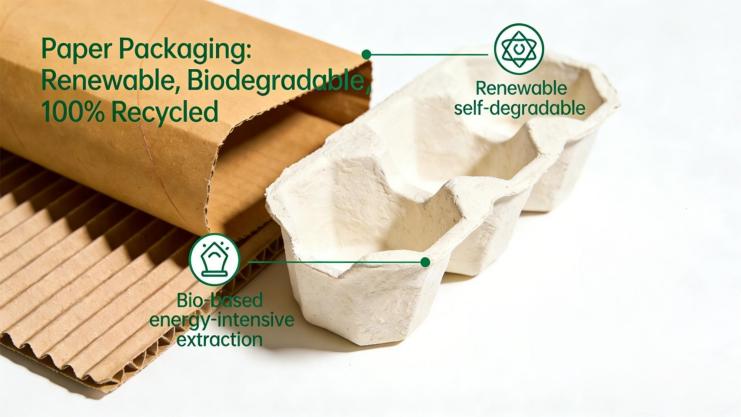
Industrial paper packaging refers to cellulose-based substrates derived from wood pulp, managed forests, or post-consumer waste streams. This category encompasses Kraft paper, corrugated cardboard, and molded pulp.
These materials are defined by their renewable, biogenic origins and their natural capacity for biological decomposition. In the current market, the focus has shifted toward 100% recycled paper solutions that bypass the energy-intensive extraction of virgin wood fibers.
Plastic Packaging
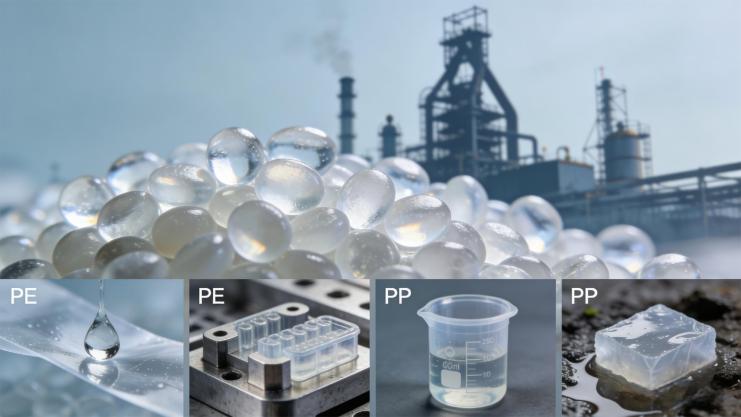
Plastic packaging consists of synthetic or semi-synthetic organic polymers, primarily Polyethylene (PE) or Polypropylene (PP), derived from the refining of petroleum or natural gas.
These materials are defined by their plasticity, allowing them to be molded into diverse, high-performance shapes. Furthermore, they exhibit extreme resistance to moisture, chemical agents, and biological decay.
The Life Cycle Paradox
A comprehensive evaluation of packaging materials reveals a significant paradox in the debate. The perceived sustainability of a material often shifts depending on whether the priority is placed on the production phase or the end-of-life phase.
Resource Intensity in Manufacturing
From a pure manufacturing standpoint, plastic is remarkably efficient. To produce a standard quantity of plastic bags, the industry consumes approximately one-third of the energy required to produce the equivalent in paper. Specifically, manufacturing a paper bag requires roughly 1.5 kWh of energy, compared to just 0.5 kWh for a plastic bag.
Water consumption further widens this gap. Paper manufacturing is a water-intensive process, requiring approximately 4.5 liters of fresh water per bag, whereas plastic production requires only 1.5 liters.
Furthermore, the chemical pulping process for paper generates higher levels of atmospheric waste and waterborne toxicity. If the sole metric for selection is the immediate resource footprint during the factory phase, plastic appears as the more efficient candidate.
The Long-Term Cost of Persistence
The efficiency of plastic manufacturing becomes a major environmental liability once the product is discarded. While a paper bag decomposes in two to six weeks under natural conditions, a plastic bag persists for 450 to 1,000 years.
Plastic does not biodegrade. Instead, it photodegrades into microplastics that infiltrate global water supplies and food chains. This “persistence cost” is the primary driver behind the massive industry shift toward sustainable fibre-based shipping and retail solutions.
Industrial Material Metrics
The following metrics represent a synthesis of cross-industry lifecycle assessments as of 2026. This data compares the environmental footprint of the three primary packaging mediums across their production, usage, and disposal phases.
| Environmental Metric | Recycled Paper (Kraft) | Traditional Plastic (PE) | Reusable Cotton Bag |
| Production Energy (kWh/unit) | 1.5 | 0.5 | 2.5+ |
| Fresh Water Usage (L/unit) | 4.5 | 1.5 | 130.0+ |
| $CO_2$ Emissions (g/unit) | 2.5 | 0.7 | 4.0+ |
| Recycling Rate (Global) | 80% – 90% | < 10% | N/A |
| Decomposition Time | 2 – 6 Weeks | 450 – 1,000 Years | 1 – 5 Years |
| Marine Toxicity | Minimal | Critical (Microplastics) | Minimal |
| Sustainability Breakeven | 3 – 7 Uses | Baseline | 131 – 7,100 Uses |
Understanding these figures requires looking beyond the initial production costs. While plastic possesses a lower initial carbon and water footprint, its “Persistence Cost” at the end of its life creates a permanent environmental debt.
The Breakeven Point
To achieve the same environmental performance as a single-use plastic bag, a paper bag must be reused at least 3 to 7 times. However, because paper is significantly easier to recycle and compost, it remains the superior choice for circular economies.
The Reusable Paradox
High-durability materials like cotton require an immense number of uses to offset their production impact. Current metrics suggest a cotton bag must be used at least 131 times to match the climate impact of plastic, and up to 7,100 times when accounting for water consumption and land use in cotton farming.
Marine Safety
The “Critical” toxicity rating for plastic refers to its fragmentation into microplastics. Paper, by contrast, is a biogenic material that respects natural aquatic cycles, breaking down safely even if it escapes the recycling stream.
The Industrial Reality of Paper Packaging
Paper is frequently positioned as the “gold standard” for sustainable transitions. However, a professional analysis requires a deeper exploration of its strengths, limitations, and the innovations currently reshaping the sector.

Advantages and Strategic Benefits
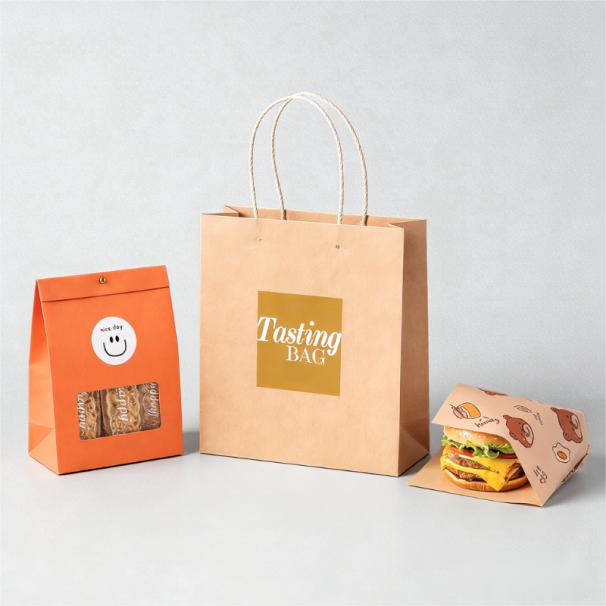
Paper’s role as the premier choice for 2026 sustainability is rooted in its compatibility with natural ecosystems:
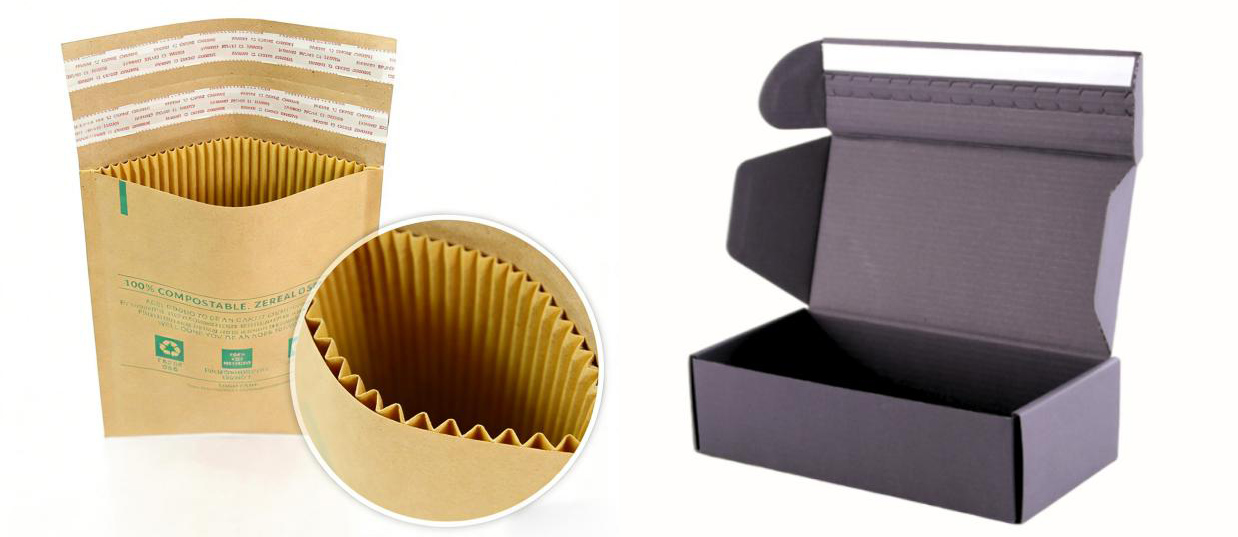
Biogenic Carbon Cycle: The paper is part of a living cycle. Managed forests act as carbon sinks, absorbing $CO_2$ during growth. This carbon remains sequestered within the fibres of custom corrugated boxes throughout their lifecycle.
Mature Circularity: Paper boasts the most mature global recycling infrastructure. Fibers are capable of being recycled 5 to 7 times before losing structural integrity, making it a cornerstone of the circular economy.
Ecological Safety Net: For brands aiming to eliminate marine pollution, paper offers a fail-safe. If it escapes the waste management stream, it breaks down into harmless organic matter within weeks, presenting zero risk to oceanic ecosystems.
Limitations and Operational Challenges
Despite its circularity, paper is not without industrial drawbacks that procurement teams must account for:
Manufacturing Footprint: The production phase remains resource-heavy. High energy and water consumption must be offset by prioritizing high-recycled-content fibers and optimized pulping processes.
Logistics and Weight Penalty: Paper is bulkier and heavier. Logistically, shipping 2.5 million plastic bags requires only one truck, while the equivalent volume of paper requires seven trucks. This leads to a substantial increase in transportation-related carbon emissions.
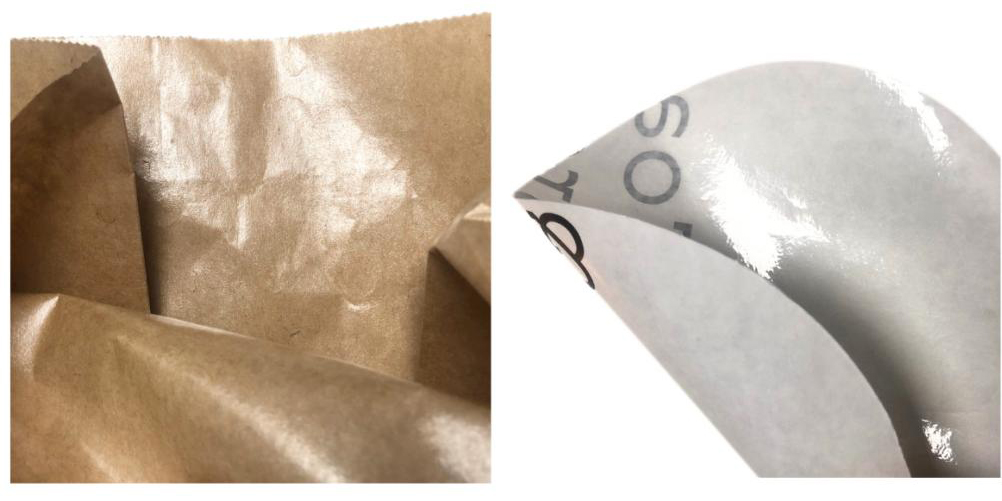
Barrier Properties: Paper lacks inherent resistance to moisture, grease, and gases. In high-protection applications, secondary sustainable protective coatings are required to match the performance of synthetic alternatives.
Misconceptions and Innovation
A common misconception is that paper is “greener” in every measurable category. In reality, paper’s environmental victory occurs at the end of its life, not at the beginning.
To bridge the performance gap, the industry is witnessing rapid innovation in high-performance paper engineering:
Sustainable Barrier Technology: The development of water-based and bio-wax coatings provides the requisite moisture resistance while ensuring the packaging remains fully repulpable and recyclable.
Advanced Corrugation Engineering: Thinner, stronger corrugated flutes are reducing material weight without compromising protection. This innovation helps mitigate the logistics penalty by allowing for more units per shipment.
Strategic Decision for Manufacturers
The choice of material should follow a structured hierarchy of environmental responsibility. Procurement teams should evaluate their choices based on the following logic:
1. Prioritize Recycled Content
Regardless of the substrate, the first step is to specify 100% Post-Consumer Recycled (PCR) content.
This minimizes the energy-intensive extraction of virgin wood or petroleum and supports the demand for recycled materials, driving the circular economy forward.
2. Evaluate Functional Requirements
If a product requires total moisture isolation or the absolute lowest transport weight for transcontinental shipping, lightweight recycled plastic remains a strategic candidate.
However, for retail and the majority of e-commerce applications where marine safety is a priority, recycled paper mailers and boxes are the preferred solution.
3. Design for Weight and Circularity
To mitigate the logistics carbon footprint of paper, manufacturers should utilize innovative engineering to reduce the “bulk” of their designs.
Using high-crush-strength corrugated materials and right-sizing the packaging ensures that paper remains competitive in transport efficiency.
4. Exercise Caution with Bioplastics
Exercise caution with materials that lack a clear end-of-life pathway.
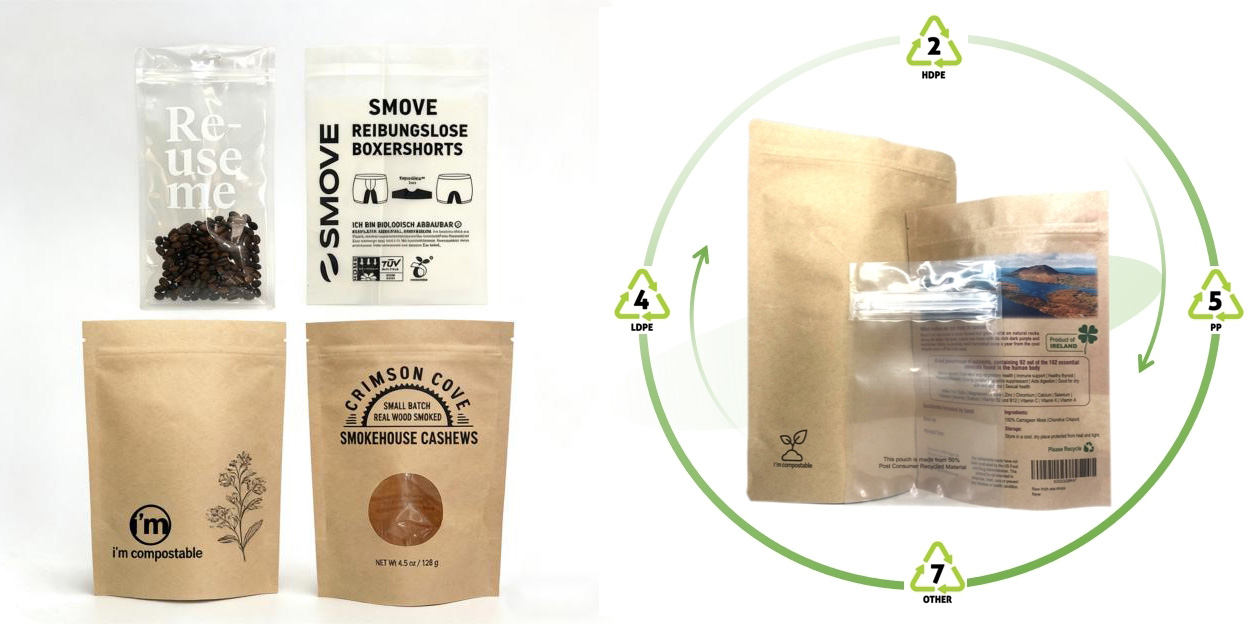
Bioplastics without industrial composting access or complex multi-material laminates that cannot be recycled should be avoided in favor of mono-material fiber-based solutions.
Engineering for a Circular Future
The synthesis of industrial evidence suggests that while plastic remains an “efficient” material to manufacture, its fundamental inability to align with natural biological cycles makes it a long-term liability in a circular economy.
In contrast, paper packaging, despite its higher production energy, provides a necessary safety net for the planet.
For forward-thinking manufacturers, the ultimate objective is to design a future where packaging leaves no permanent scar on the earth.
By centering procurement strategies on 100% recycled materials and investing in structural innovation, brands can successfully navigate the transition away from virgin plastics. This approach allows companies to maintain rigorous performance standards and commercial profitability while fulfilling their commitment to global environmental stewardship.
Let’s Engineer Your Sustainable Future
Transitioning your brand away from virgin materials is a journey of precision and data. Whether you are looking to audit your current packaging lifecycle or develop a custom solution for a new product launch, our team is ready to assist.
Ready to optimize your circularity metrics?
Contact Gozen Packaging via [email protected] or Whatsapp +86 18571566509 for a professional consultation, or request a sample pack of our 100% recycled paper and plastic solutions to experience the quality firsthand.
Get Quotes