What Is Sachet?
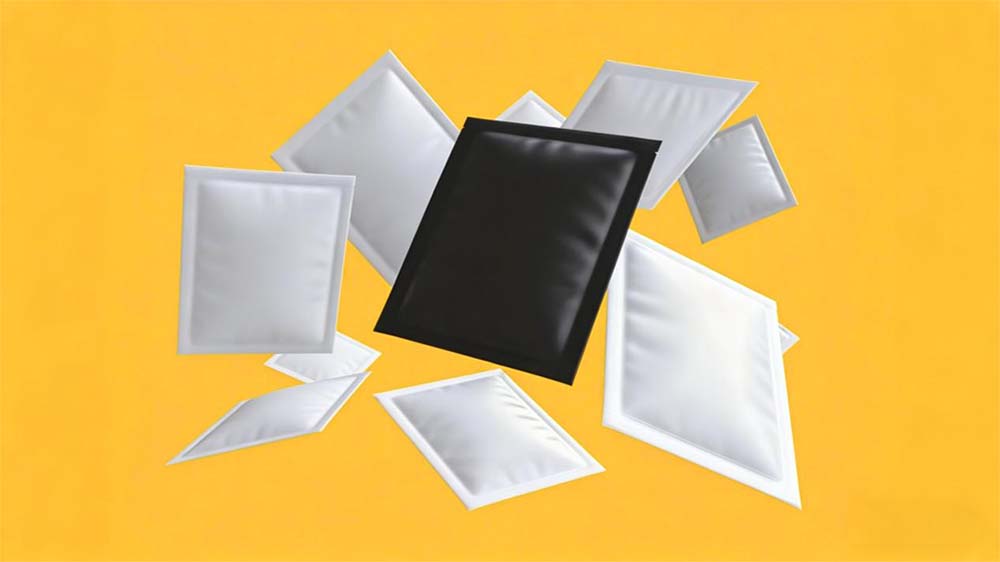
Sachets, as a convenient and efficient packaging format, have been widely used in industries such as food, personal care, and pharmaceuticals in recent years. With features such as small capacity, low cost, and easy portability, they have become an ideal choice for product sampling and brand promotion. This article provides a comprehensive understanding of this practical packaging solution.
What Is a Sachet Product?
A sachet product refers to a packaging format in which a small amount of product is sealed in a compact pouch, which is usually designed for single use. It has a small volume and is easy to carry and use.
It is commonly seen in products such as condiments, skincare items, shampoos, and medicines. Sachet packaging allows consumers to use products as needed, while it also helps brands promote trials and control costs.
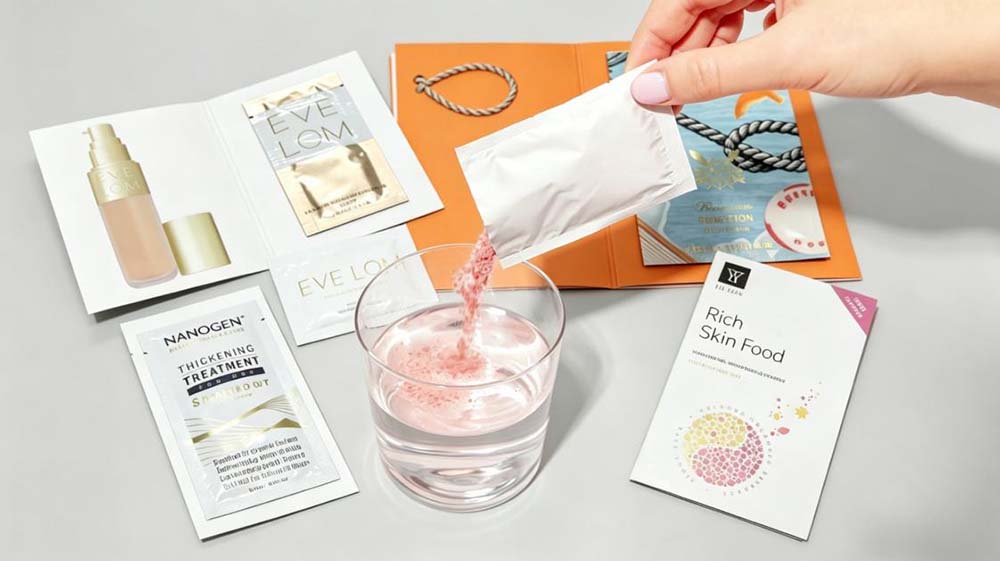
What Types of Sachets Are There?
Ordinary single use sachets: This is the most basic type, which is designed for one time use after opening and does not support resealing. It is commonly used for condiments and sample products:
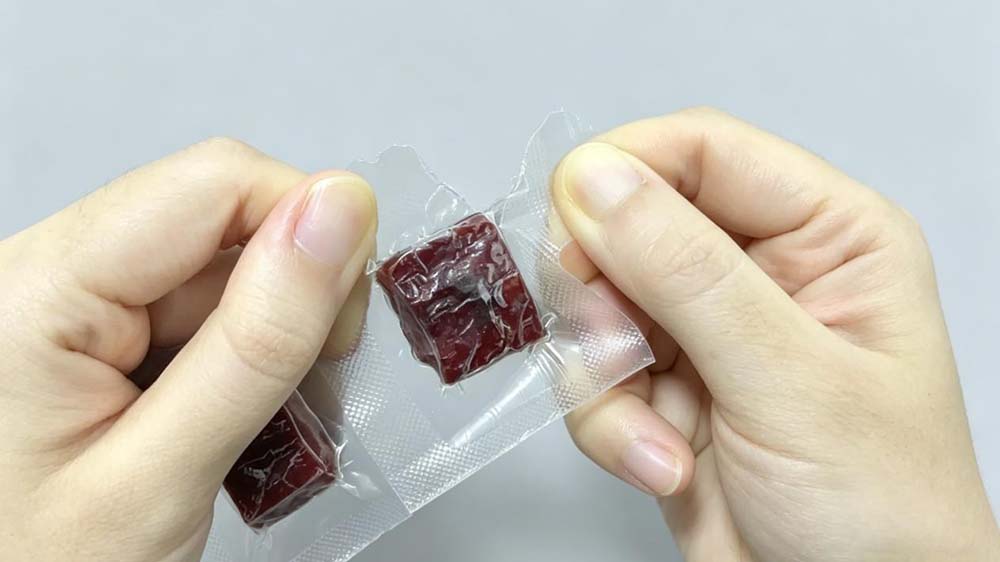
- Easy tear sachets: These sachets are designed with a tear notch, which allows users to open them easily without tools, improving convenience.
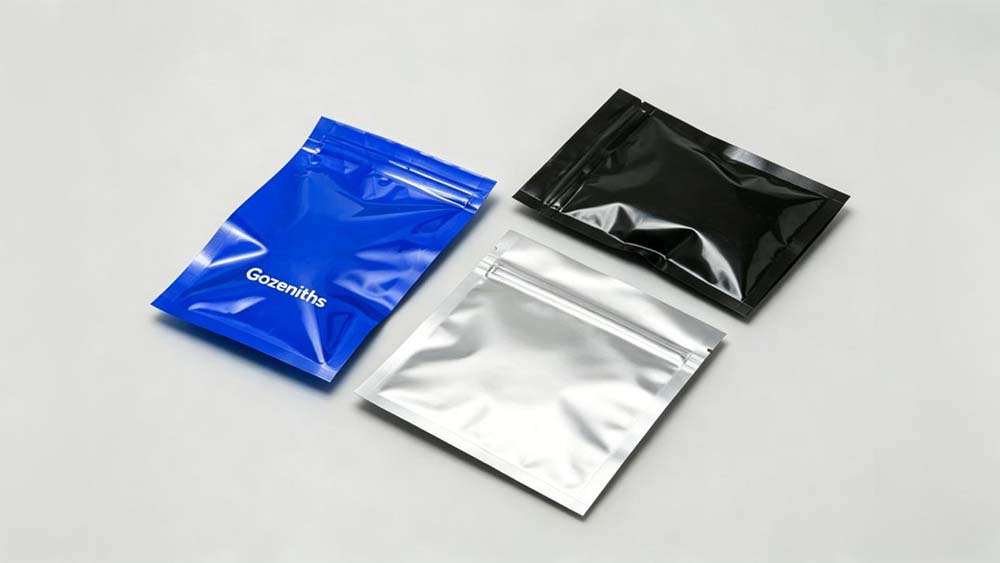
- Resealable sachets: These sachets are equipped with zipper or press seal structures, which allow multiple openings and closures and are suitable for products that are used in portions.
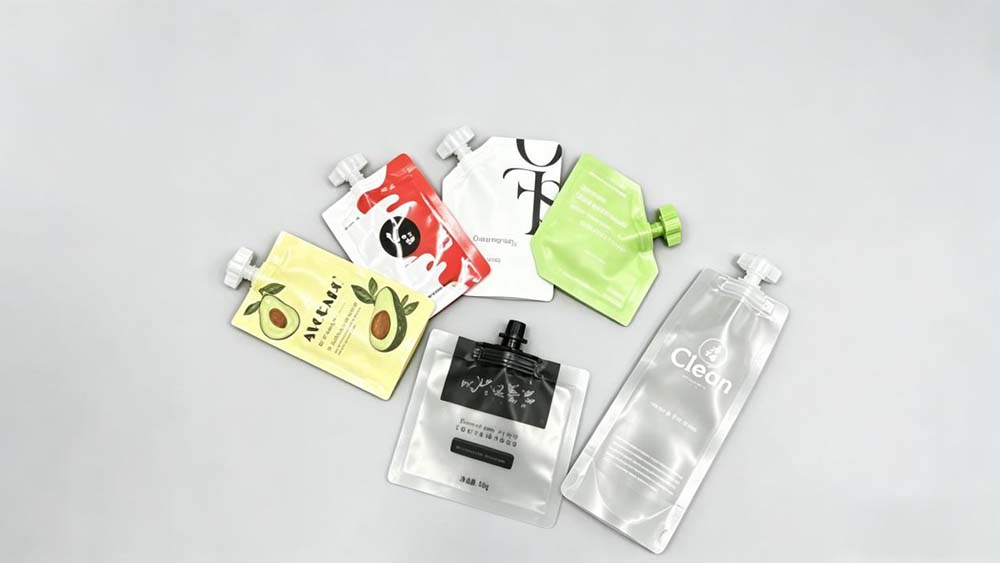
- Special shape sachets: These sachets use unique designs such as spout or nozzle forms, which make it easier to control dispensing and are often used for liquid products.
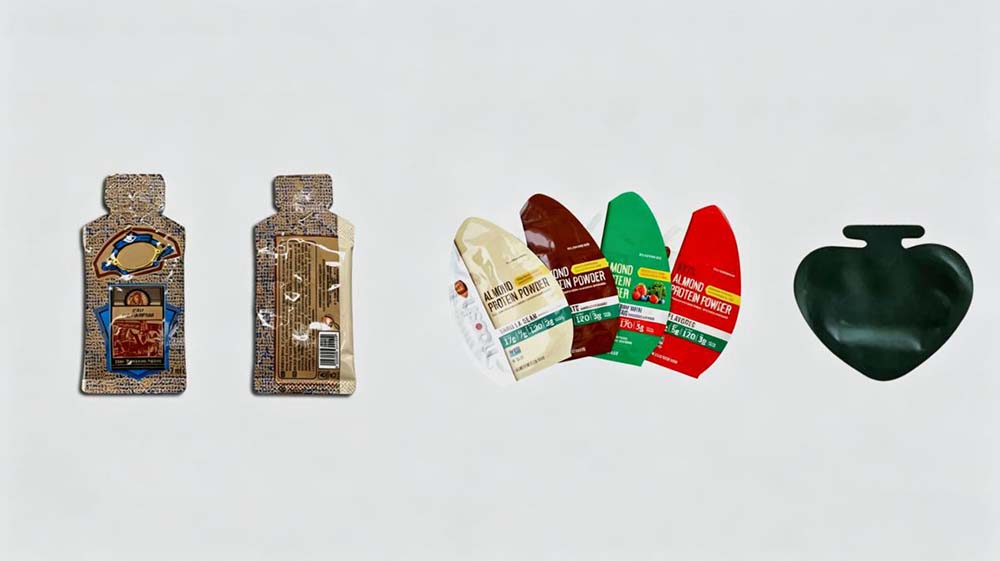
- Multi functional sachets: These combine multiple features such as easy tear and resealable closures or spout with leak proof structures, which enhance both usability and sealing performance.
What Are the Advantages of Sachet Packaging?
Sachet packaging, which is known for its flexibility and practicality, has become widely adopted across industries such as food, personal care, and pharmaceuticals. It meets consumer needs for convenience and hygiene, while it also provides businesses with more options for cost control and marketing strategies. The main advantages are as follows:
Strong portability
Sachet packaging is compact and lightweight, which makes it easy to carry and store. Whether for travel, commuting, or outdoor activities, it can be conveniently placed in a bag and used anytime, which expands product usage scenarios.
Cost control benefits
The small size design reduces the cost per purchase for consumers, which lowers the barrier to trial. At the same time, companies can use sachets for sampling or promotional activities, which helps reduce inventory pressure and improve conversion rates.
Ease of use
Most sachets are designed for single use, so they can be opened and used directly without additional containers or complex steps. Some products are also designed with tear notches or special openings, which further improve the user experience.
High hygiene and safety
Individually sealed sachets can effectively isolate air, moisture, and contaminants, which helps prevent spoilage or degradation. Each use involves a fresh package, which helps ensure product quality and consumer safety.
What Products Are Suitable for Sachet Packaging?
Products that are suitable for sachet packaging usually have characteristics such as single use, strong portability demand, or easy portioning.
Common examples include food products such as sauces, seasoning powders, and instant coffee, personal care items such as shampoo, skincare products, and laundry detergent, as well as pharmaceutical products such as granules and oral liquids. In addition, products used for sampling or travel are also well suited for sachet packaging.
How to Design a Sachet Package?
Designing a sachet package requires a comprehensive consideration of product characteristics, user experience, and brand image, which can be approached from the following aspects:
Define product characteristics
It is necessary to fully understand the physical form of the product, whether it is liquid, powder, or granule, as well as its usage frequency and target scenarios, so that suitable capacity and packaging formats can be determined.
For example, products intended for single use are more suitable for small capacities, while products that are used multiple times may require functional structures. It is also required to consider whether the product is sensitive to light, moisture, or evaporation.
Select appropriate materials
Materials should be selected based on requirements such as oxygen resistance, moisture protection, and light blocking. Common combinations include PET and PE, OPP and CPP, or aluminum foil laminates. High quality materials can extend shelf life and improve packaging texture, while environmentally friendly or degradable materials can also be considered to enhance brand image.
Optimize structural design
The structure of the sachet directly affects user experience and production efficiency. Common forms include three side seal, four side seal, and back seal structures. Additional features such as tear notches, spouts, or zippers can be incorporated based on needs. A well designed structure improves usability and reduces waste.
Focus on visual design
Since sachets have limited space, the layout should be clear and concise, with emphasis on key selling points. Color schemes, typography, and graphic elements should be used to strengthen brand recognition and improve shelf appeal. At the same time, essential information such as ingredients, instructions, and specifications should be easy to read.
Consider production and cost
The design should be compatible with automated production processes such as forming, filling, and sealing. Controlling size and material usage can help reduce production costs and improve efficiency, while overly complex designs should be avoided.
Sachet vs Stick Packaging
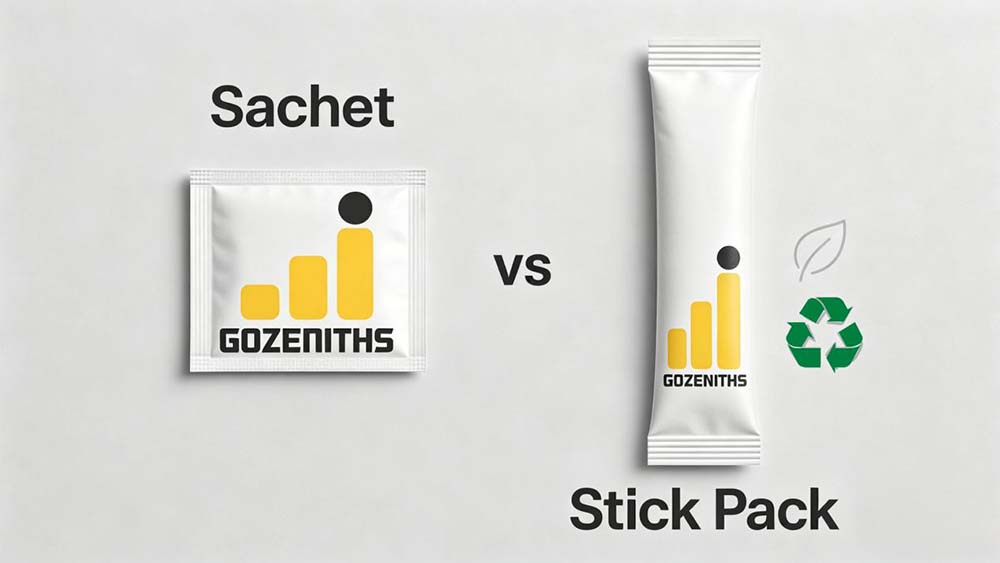
Sachet products are often compared with stick packaging since both belong to small flexible packaging formats. While they share similarities, there are clear differences in structure, usage, and application:
| Aspect | Sachet Packaging | Stick Packaging |
| Shape and Structure | Usually square or rectangular, commonly three side seal or four side seal | Slim and elongated shape, often back seal or three side seal |
| Capacity and Usage | Flexible capacity, suitable for both single use and small portion use | Typically designed for single dose, fixed quantity |
| Suitable Product Types | Suitable for liquids, powders, and granules | More commonly used for powders and fine granules |
| User Experience | Larger opening, easier for pouring or squeezing | Smaller opening, better for direct consumption or controlled dispensing |
| Application Scenarios | Widely used in food, personal care, and pharmaceutical industries | Commonly used for portable, on the go products such as instant drinks or supplements |
Conclusion
Sachet packaging, which is portable, efficient, and flexible, has been widely applied across industries. Through proper packaging design and suitable equipment selection, companies can improve product competitiveness and enhance production efficiency, which leads to better market performance.
Gozenpackaging offers a wide variety of sachets, each with a unique style, and visitors are welcome to explore the homepage for more options. You can also tell us your ideas, and we will do our best to help you realize them.
FAQs
Q Which industries are suitable for sachet packaging?
Sachet packaging is widely used in industries such as food, personal care, pharmaceuticals, and health products, especially for products that require single use or portability.
Q What is the typical capacity of sachet packaging?
It usually ranges from 1 ml to 100 ml or from a few grams to several tens of grams, depending on the product type and usage scenario.
Q Can sachet packaging be reused?
Most sachets are designed for single use, while some designs with zippers or spouts allow multiple uses.
Q Is sachet packaging environmentally friendly?
There are now recyclable or degradable sachet materials available, while traditional laminated materials still have room for improvement in environmental performance.